
What Is VO2 Max and Why It Predicts Longevity: Science-Backed Guide
Learn what VO2 Max is, why researchers consider it one of the strongest predictors of longevity, and how beginners can improve cardiovascular fitness through evidence-based exercise and lifestyle strategies.
Click a star to rate
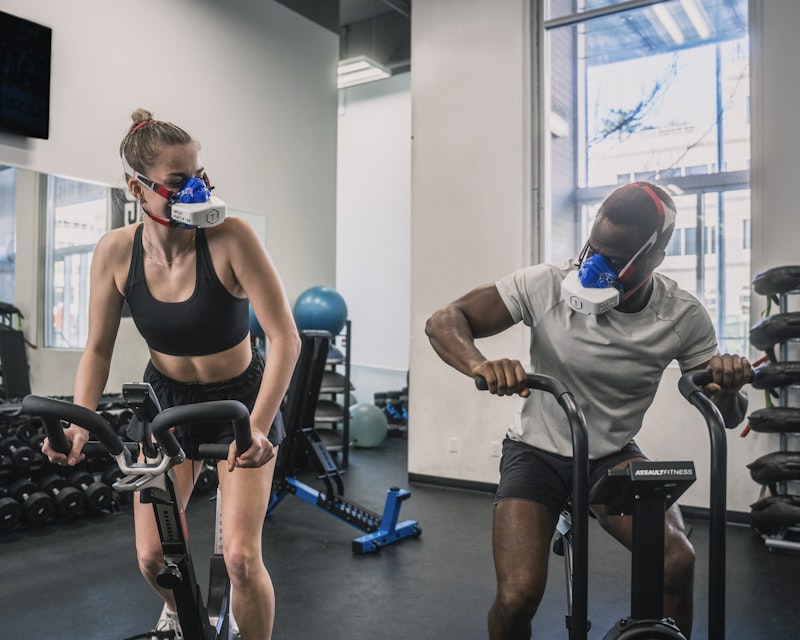
VO2 Max, short for maximal oxygen uptake, is one of the most powerful measures of cardiorespiratory fitness. It reflects how efficiently your body can take in oxygen, transport it through the bloodstream, and use it to produce energy during exercise.
While many people focus on weight, body fat percentage, or step counts, researchers increasingly view VO2 Max as one of the strongest predictors of long-term health and longevity.
Studies consistently show that individuals with higher cardiorespiratory fitness have lower risks of cardiovascular disease, type 2 diabetes, certain cancers, and premature death. Improving VO2 Max doesn't require becoming an endurance athlete. Even beginners can achieve meaningful improvements through regular physical activity.
According to current exercise science, increasing cardiorespiratory fitness can significantly improve both lifespan and healthspan—the years spent living free from major disease and disability.
Understanding VO2 Max: What It Really Means
VO2 Max represents the maximum amount of oxygen your body can utilize during intense exercise. It is typically measured in milliliters of oxygen per kilogram of body weight per minute (mL/kg/min).
The process involves several systems working together:
- •The lungs absorb oxygen from the air
- •The heart pumps oxygen-rich blood throughout the body
- •Blood vessels deliver oxygen to working muscles
- •Mitochondria inside muscle cells use oxygen to produce energy
Because VO2 Max depends on the efficiency of all these systems, it provides a comprehensive picture of overall cardiovascular and metabolic fitness.
Higher VO2 Max values generally indicate: - Better heart function - Improved circulation - Greater endurance - Enhanced energy production - Better exercise capacity
Why VO2 Max Predicts Longevity
Researchers often describe cardiorespiratory fitness as a vital sign because of its strong relationship with long-term health outcomes.
People with higher VO2 Max levels consistently show lower rates of: - Heart disease - Stroke - High blood pressure - Type 2 diabetes - Metabolic syndrome - All-cause mortality
The relationship is so strong that low cardiorespiratory fitness is considered a major risk factor for premature death, comparable to traditional risk factors such as smoking, obesity, and hypertension.
Several mechanisms explain this connection:
Improved Cardiovascular Function
A higher VO2 Max generally reflects a stronger heart capable of pumping more blood with each beat. This reduces cardiovascular strain during both exercise and daily activities.
Better Metabolic Health
Individuals with higher aerobic fitness typically demonstrate: - Better insulin sensitivity - Improved blood sugar regulation - Lower inflammation - Better cholesterol profiles
Greater Physical Resilience
Higher fitness levels help maintain independence with aging by preserving: - Mobility - Balance - Muscle function - Physical capacity
Reduced Disease Risk
Regular aerobic activity improves immune function, supports healthy blood vessels, and reduces chronic inflammation associated with aging.
Understanding VO2 Max Scores
VO2 Max values vary according to age, sex, genetics, and activity level.
General ranges for adults:
| Fitness Level | Men (mL/kg/min) | Women (mL/kg/min) |
|---|---|---|
| Poor | Below 30 | Below 25 |
| Average | 35-45 | 30-40 |
| Good | 45-55 | 40-50 |
| Excellent | 55+ | 50+ |
These values naturally decline with age, but regular exercise can substantially slow the rate of decline.
How VO2 Max Changes With Age
VO2 Max typically decreases by approximately 5-10% per decade after early adulthood if physical activity levels remain low.
Contributing factors include: - Reduced muscle mass - Lower physical activity - Changes in heart function - Reduced mitochondrial efficiency
However, physically active adults often experience significantly smaller declines.
Research demonstrates that maintaining aerobic exercise throughout life can preserve functional capacity well into older age.
Benefits of Having a Higher VO2 Max
Improving VO2 Max offers benefits that extend far beyond athletic performance.
Better Heart Health
A higher VO2 Max is associated with:
- •Lower resting heart rate
- •Improved blood vessel function
- •Better blood pressure control
- •Reduced cardiovascular risk
Regular aerobic exercise strengthens the heart muscle, allowing it to pump more blood with each beat.
Increased Daily Energy
People with higher cardiorespiratory fitness often report:
- •Less fatigue
- •Improved productivity
- •Better exercise tolerance
- •Greater physical stamina
Tasks such as climbing stairs, carrying groceries, and walking long distances become easier.
Enhanced Fat Burning Capacity
Aerobic fitness improves the body's ability to utilize fat as a fuel source during exercise.
This does not mean VO2 Max directly causes weight loss. However, individuals with higher aerobic fitness often find it easier to sustain physical activity levels that support healthy weight management.
Improved Brain Health
Exercise that improves VO2 Max is associated with:
- •Better cognitive function
- •Improved memory
- •Enhanced focus
- •Reduced risk of cognitive decline
Researchers believe improved blood flow and oxygen delivery contribute to these benefits.
Healthier Aging
Higher fitness levels help maintain:
- •Independence
- •Mobility
- •Functional strength
- •Quality of life
This contributes to a longer healthspan, not just a longer lifespan.
Common Myths About VO2 Max
Many misconceptions prevent people from paying attention to this important health metric.
Myth #1: VO2 Max Only Matters for Athletes
Reality:
VO2 Max is relevant for everyone.
Research consistently shows that cardiorespiratory fitness predicts health outcomes in both active and inactive individuals.
For most people, improving a low VO2 Max provides greater health benefits than attempting to move from good to elite levels.
Myth #2: You Need Intense Exercise to Improve VO2 Max
Reality:
Moderate aerobic exercise can significantly improve VO2 Max, especially among beginners.
Walking, cycling, swimming, and jogging can all contribute to measurable improvements.
Myth #3: VO2 Max Is Entirely Genetic
Reality:
Genetics influence baseline VO2 Max and responsiveness to training.
However, lifestyle remains a major factor.
Most people can improve their VO2 Max through regular exercise regardless of genetic predisposition.
Myth #4: Older Adults Can't Improve VO2 Max
Reality:
Research demonstrates that adults can improve cardiorespiratory fitness well into their 60s, 70s, and beyond.
Improvements may occur more slowly than in younger individuals, but meaningful gains remain achievable.
Best Exercises to Improve VO2 Max
Different forms of aerobic exercise can improve cardiorespiratory fitness.
The most effective approach is one that can be performed consistently.
Zone 2 Cardio
Zone 2 training involves exercising at a moderate intensity where conversation remains possible.
Examples include:
- •Brisk walking
- •Cycling
- •Light jogging
- •Rowing
- •Swimming
Benefits:
- •Sustainable
- •Beginner-friendly
- •Supports aerobic development
- •Improves fat utilization
Interval Training
Interval training alternates between periods of higher intensity effort and recovery.
Example:
- •1 minute hard effort
- •2 minutes easy recovery
- •Repeat 6–10 times
Benefits:
- •Time efficient
- •Effective for improving VO2 Max
- •Increases cardiovascular adaptation
Walking
Walking remains one of the most accessible methods for improving aerobic fitness.
Beginners can achieve significant gains simply by increasing:
- •Walking duration
- •Walking frequency
- •Walking pace
Cycling
Cycling provides low-impact cardiovascular training that is suitable for many fitness levels.
Swimming
Swimming challenges both the cardiovascular and muscular systems while minimizing joint stress.
## 12-Week Beginner VO2 Max Improvement Plan
The goal is gradual and sustainable progression.
Weeks 1–4
Focus:
Building consistency.
Schedule:
- •Walk 30 minutes
- •5 days per week
Intensity:
Comfortable brisk pace.
Goal:
Create a regular aerobic exercise habit.
Weeks 5–8
Focus:
Increase cardiovascular challenge.
Schedule:
- •Walk or cycle 35–45 minutes
- •5 days per week
Add:
- •One interval session weekly
Example:
- •30 seconds faster pace
- •90 seconds recovery
- •Repeat 6 times
Goal:
Stimulate additional cardiovascular adaptations.
Weeks 9–12
Focus:
Progressive overload.
Schedule:
- •4 Zone 2 sessions
- •1 interval session
Zone 2 Duration:
40–60 minutes.
Interval Example:
- •1 minute hard effort
- •2 minutes recovery
- •Repeat 6–8 times
Goal:
Continue improving aerobic capacity while maintaining recovery.
Factors That Can Lower VO2 Max
Several lifestyle and health factors may contribute to lower cardiorespiratory fitness.
Physical Inactivity
Sedentary behavior is among the strongest contributors to declining VO2 Max.
Excess Body Weight
Higher body weight can reduce relative VO2 Max values because oxygen consumption is calculated relative to body mass.
Smoking
Smoking impairs oxygen transport and significantly reduces aerobic performance.
Poor Sleep
Inadequate sleep negatively affects:
- •Recovery
- •Exercise performance
- •Training adaptation
Chronic Stress
Persistent stress may reduce exercise consistency and impair recovery.
Aging Without Exercise
Although aging naturally reduces VO2 Max, regular exercise can substantially slow this decline.
How Can You Measure VO2 Max?
The most accurate assessment is performed in a laboratory using a graded exercise test while measuring oxygen consumption.
However, many consumer devices now provide estimates.
Common options include:
- •Fitness watches
- •Smartwatches
- •Running watches
- •Exercise laboratory testing
Popular wearable devices estimate VO2 Max using:
- •Heart rate
- •Exercise intensity
- •Movement patterns
- •Training history
While these estimates are not as accurate as laboratory testing, they can be useful for tracking long-term trends.
VO2 Max Comparison: Low vs High Fitness
| Factor | Lower VO2 Max | Higher VO2 Max |
|---|---|---|
| Cardiovascular Fitness | Reduced | Improved |
| Exercise Capacity | Limited | Greater Endurance |
| Daily Energy | Often Lower | Often Higher |
| Heart Disease Risk | Higher | Lower |
| Functional Independence | May Decline Faster | Often Better Preserved |
| Healthy Aging Potential | Lower | Higher |
Frequently Asked Questions
What Is a Good VO2 Max Score?
A good VO2 Max score depends on age and sex.
In general:
- •Men: approximately 45 mL/kg/min or higher
- •Women: approximately 40 mL/kg/min or higher
However, improving from your current baseline is often more important than comparing yourself to others.
Can Walking Improve VO2 Max?
Yes.
For beginners and previously inactive adults, brisk walking can significantly improve cardiorespiratory fitness when performed consistently.
Increasing pace, duration, and frequency over time can produce additional benefits.
How Long Does It Take to Improve VO2 Max?
Many people begin seeing measurable improvements within 4 to 12 weeks of consistent aerobic training.
Results vary based on:
- •Current fitness level
- •Exercise frequency
- •Training intensity
- •Age
- •Recovery habits
Is VO2 Max More Important Than Weight?
Both matter.
However, research consistently shows that cardiorespiratory fitness is an extremely powerful predictor of health outcomes.
A person with higher fitness often has better health prospects than someone with lower fitness, regardless of body weight alone.
Can Weight Loss Improve VO2 Max?
Weight loss may improve relative VO2 Max because VO2 Max is commonly expressed relative to body weight.
However, improvements in cardiovascular fitness primarily result from exercise adaptations rather than weight loss itself.
What Is the Fastest Way to Improve VO2 Max?
The most effective strategy combines:
- •Consistent aerobic exercise
- •Progressive overload
- •Adequate recovery
- •Long-term adherence
For beginners, building a sustainable routine is more important than maximizing intensity.
Key Takeaways
- •VO2 Max measures the body's ability to use oxygen during exercise.
- •It is one of the strongest indicators of cardiorespiratory fitness.
- •Higher VO2 Max levels are associated with lower risks of chronic disease and premature death.
- •Walking, cycling, swimming, and interval training can improve VO2 Max.
- •Consistency matters more than perfection.
- •Even modest improvements can produce meaningful health benefits.
Final Thoughts
Many people spend years focusing exclusively on the number they see on the scale.
While body weight can provide useful information, it does not tell the entire story of health.
VO2 Max offers a broader perspective by measuring how effectively your heart, lungs, blood vessels, and muscles work together.
This is one reason researchers and exercise professionals increasingly consider cardiorespiratory fitness one of the most important health markers available.
The encouraging news is that improving VO2 Max does not require extreme workouts, expensive equipment, or athletic experience.
For many people, the journey starts with a simple habit:
Take a walk.
Then take another tomorrow.
Small actions performed consistently can improve fitness, support healthy aging, and help build a healthier future.
Remember that longevity is not only about living longer. It is also about maintaining the ability to enjoy life, stay active, and remain independent for as many years as possible.
Improving your VO2 Max may be one of the most effective investments you can make in your long-term health.
Comments (0)
Share your thoughts and experiences
No comments yet. Be the first to share your thoughts!