
Walking After Meals: Benefits for Blood Sugar, Digestion, and Weight Loss
Learn how a simple walk after meals can improve blood sugar control, support digestion, increase daily calorie burn, and help with long-term weight management using evidence-based strategies.
Click a star to rate
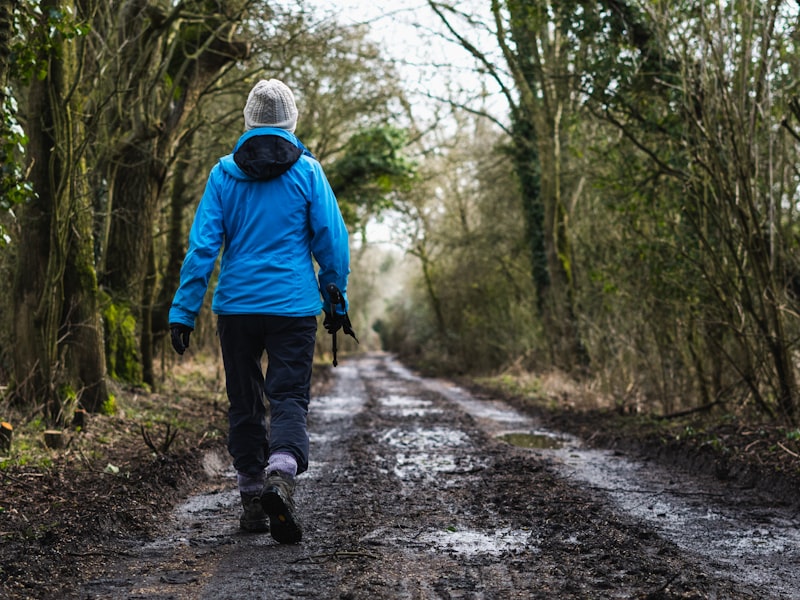
Walking is one of the simplest forms of exercise, yet it remains one of the most powerful tools for improving overall health. Recent research continues to show that taking a short walk after eating can help regulate blood sugar levels, support digestion, increase daily energy expenditure, and improve long-term metabolic health.
Unlike intense exercise programs that can be difficult to maintain, post-meal walking requires no gym membership, special equipment, or advanced fitness level. Even a brief walk lasting 2 to 15 minutes may provide measurable benefits.
For beginners focused on fat loss and better health, walking after meals is one of the easiest habits to build because it can be attached to something you already do every day: eating.
---
Understanding What Happens After You Eat
After a meal, carbohydrates are broken down into glucose and absorbed into the bloodstream. This causes blood sugar levels to rise. In response, the body releases insulin, a hormone that helps move glucose into cells where it can be used for energy.
Large blood sugar spikes can contribute to:
- •Increased hunger later in the day
- •Energy crashes
- •Reduced insulin sensitivity over time
- •Higher risk of developing type 2 diabetes
- •Increased fat storage when excess calories are consistently consumed
Physical activity immediately after meals helps muscles use glucose more efficiently, reducing the size and duration of post-meal blood sugar elevations.
---
Benefit 1: Improved Blood Sugar Control
One of the most well-researched benefits of walking after meals is improved postprandial glucose control.
When you walk, your muscles require energy. Glucose can be taken up by muscle cells during physical activity, helping reduce blood sugar levels even without large increases in insulin.
Research suggests that short walks after meals can:
- •Reduce post-meal blood sugar spikes
- •Improve glucose regulation
- •Support insulin sensitivity
- •Help individuals with prediabetes or type 2 diabetes manage blood sugar more effectively
Interestingly, multiple shorter walks after meals may sometimes provide greater glucose-control benefits than one longer walk completed earlier in the day.
- •Implementation:
- •Walk within 15-30 minutes after eating
- •Maintain a comfortable pace
- •Aim for 10-15 minutes when possible
---
Benefit 2: Supports Healthy Digestion
Many people experience bloating, fullness, or discomfort after eating large meals.
Gentle walking may support digestion by:
- •Encouraging movement through the digestive tract
- •Supporting normal gastric emptying
- •Reducing feelings of bloating
- •Helping relieve mild digestive discomfort
A slow to moderate walking pace is typically best. Extremely vigorous exercise immediately after eating may cause discomfort for some individuals.
- •Implementation:
- •Begin with a relaxed pace
- •Avoid sprinting or intense exercise after large meals
- •Focus on steady movement rather than speed
---
Benefit 3: Helps With Weight Loss and Fat Loss
Walking after meals is not a magic fat-loss solution, but it can contribute meaningfully to a calorie deficit over time.
Benefits include:
- •Increased daily calorie expenditure
- •More total daily movement
- •Reduced sedentary behavior
- •Improved consistency compared with intense workout programs
Many people underestimate the impact of non-exercise activity thermogenesis (NEAT), which includes everyday movement such as walking.
Three 10-minute walks after meals can accumulate significant activity throughout the week while feeling much easier than longer structured exercise sessions.
- •Implementation:
- •Walk after breakfast, lunch, and dinner
- •Track daily step count
- •Focus on consistency rather than intensity
---
Benefit 4: Supports Heart Health
Walking is strongly associated with improved cardiovascular health.
Regular post-meal walks may contribute to:
- •Lower blood pressure
- •Improved circulation
- •Better glucose regulation
- •Improved cardiometabolic health
Over time, these improvements can support a healthier cardiovascular system and lower risk factors associated with chronic disease.
- •Implementation:
- •Aim for at least 150 minutes of moderate activity weekly
- •Use post-meal walks to help accumulate total activity
---
Benefit 5: Reduces Energy Crashes
Many people experience an afternoon slump or post-meal fatigue.
Light movement after eating may help by:
- •Improving circulation
- •Enhancing glucose utilization
- •Increasing alertness
- •Reducing feelings of sluggishness
Even a brief walk outside can provide both physical and mental refreshment.
---
Benefit 6: Supports Mental Well-Being
Walking is associated with numerous psychological benefits.
Regular post-meal walks may help:
- •Reduce stress
- •Improve mood
- •Increase feelings of well-being
- •Create a healthy daily routine
Outdoor walking may provide additional benefits through exposure to nature and sunlight.
---
How Long Should You Walk After Meals?
Many people assume they need long walks to see results.
Research suggests benefits can occur even with short durations.
2-Minute Walk
- •Better than remaining seated
- •Easy for beginners
- •Helpful for breaking up sedentary time
5-Minute Walk
- •Supports glucose regulation
- •Easy to maintain consistently
10-Minute Walk
- •Practical for most schedules
- •Frequently recommended in studies examining post-meal activity
15-Minute Walk
- •May provide additional blood sugar and calorie-burning benefits
- •Excellent option after larger meals
Practical Recommendation: Aim for 10-15 minutes after meals whenever possible.
---
Best Time to Walk After Eating
Many people wonder whether they should wait before walking.
For most healthy individuals, light walking can begin shortly after finishing a meal.
Current evidence suggests the greatest blood sugar benefits occur when walking is performed within approximately 15-30 minutes after eating.
Waiting several hours may reduce some of the glucose-control benefits associated with post-meal activity.
---
Common Myths About Walking After Meals
Myth 1: Walking After Eating Is Dangerous
For most healthy individuals, gentle walking after meals is safe and beneficial.
Myth 2: Only People With Diabetes Benefit
Improved glucose regulation benefits everyone, not just individuals with diabetes.
Myth 3: You Need Long Walks
Even short walks can provide measurable health benefits.
Myth 4: Walking Cannot Help Weight Loss
Walking alone is not a complete weight-loss strategy, but it can contribute significantly to overall energy expenditure and healthy lifestyle habits.
---
4-Week Walking After Meals Challenge
Week 1
- •Walk after one meal daily
- •Goal: Build consistency
Week 2
- •Walk after two meals daily
- •Goal: Increase total movement
Week 3
- •Walk after all major meals
- •Goal: Establish routine
Week 4
- •Maintain consistency
- •Track energy levels, digestion, and daily steps
---
Sample Daily Schedule
Breakfast
- •Eat breakfast
- •Walk 10 minutes
Lunch
- •Eat lunch
- •Walk 10 minutes
Dinner
- •Eat dinner
- •Walk 10-15 minutes
Total daily walking: 30-35 minutes
---
FAQ: Walking After Meals
Q: How soon should I walk after eating?
A: For most people, walking within 15-30 minutes after a meal is an effective approach.
Q: How fast should I walk?
A: A comfortable pace that slightly increases breathing while still allowing conversation is ideal.
Q: Can walking after dinner help weight loss?
A: It can support weight loss by increasing daily activity and helping regulate blood sugar.
Q: Is walking after meals enough exercise?
A: It is a valuable habit, but combining walking with strength training and other physical activity provides the greatest overall health benefits.
Q: Can beginners do this every day?
A: Yes. Walking after meals is one of the safest and most accessible forms of physical activity for beginners.
---
Conclusion
Walking after meals is one of the simplest health habits you can start today. A short walk after eating may help improve blood sugar control, support digestion, increase daily calorie burn, enhance energy levels, and contribute to long-term weight management.
The best part is that it requires very little time and no special equipment. Whether you begin with two minutes or fifteen minutes, consistency matters more than perfection.
Instead of sitting immediately after your next meal, try taking a short walk. Over weeks and months, this small habit can become a powerful tool for improving your health.
Comments (0)
Share your thoughts and experiences
No comments yet. Be the first to share your thoughts!