
Protein Timing: Does It Really Matter? The Science Behind Muscle Growth and Recover
An evidence-based guide to protein timing, the anabolic window, muscle growth, recovery, and what matters most for fitness results.
Click a star to rate
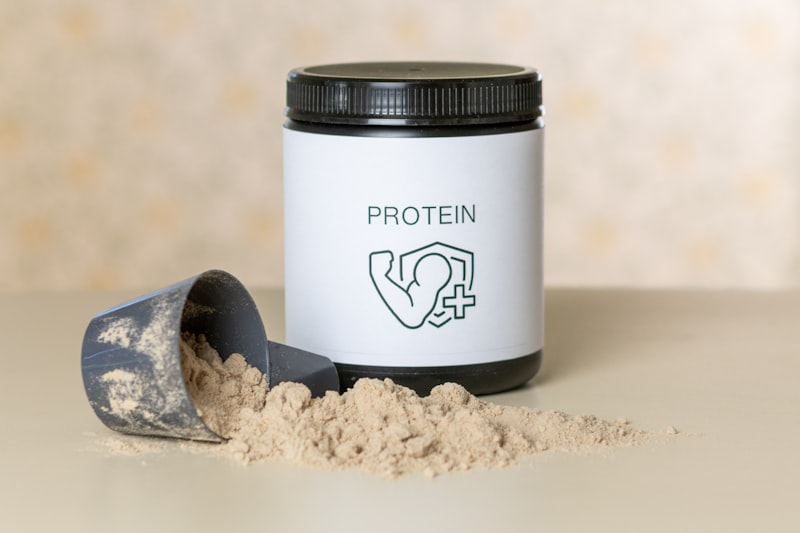
Protein timing is one of the most debated topics in fitness nutrition.
For years, gym-goers were told they needed to consume protein immediately after a workout or risk losing potential muscle gains. This idea became known as the anabolic window.
But does science support this claim?
Current evidence suggests that while protein timing can play a role in certain situations, total daily protein intake is usually more important for muscle growth, recovery, and performance.
This article explains what protein timing is, what research says, and how to apply the science in real life.
What Is Protein Timing?
Protein timing refers to when you consume protein throughout the day, especially around exercise.
Common strategies include:
- •Eating protein before a workout
- •Consuming protein after training
- •Distributing protein across meals
- •Consuming protein before sleep
The goal is to support muscle protein synthesis and recovery.
What Is Muscle Protein Synthesis?
Muscle protein synthesis (MPS) is the process of building new muscle proteins.
Resistance training stimulates MPS, and dietary protein provides the amino acids needed for repair and growth.
When muscle protein synthesis exceeds muscle protein breakdown over time, muscle growth can occur.
The Origin of the Anabolic Window
The anabolic window became popular because early sports nutrition recommendations emphasized consuming protein immediately after exercise.
The theory suggested there was a brief period after training when muscles were especially receptive to nutrients.
Modern research indicates that this window is much larger than originally believed.
For most people, recovery and adaptation continue for several hours after exercise.
What Current Research Suggests
Recent systematic reviews and sports nutrition position statements suggest that total daily protein intake has a greater impact on muscle growth than precise protein timing.
This does not mean timing is irrelevant.
Instead, it means many people focus on minor details before addressing the fundamentals.
If daily protein intake is too low, perfect timing is unlikely to compensate.
Does Post-Workout Protein Matter?
Post-workout protein can support recovery and muscle protein synthesis.
However, the importance of consuming protein immediately after exercise is often overstated.
Consider these examples:
Person A
- •Consumes adequate protein throughout the day
- •Misses a post-workout shake
Person B
- •Drinks a shake immediately after training
- •Fails to meet daily protein needs
Person A is generally more likely to support muscle growth because total daily intake is adequate.
Benefits of Post-Workout Protein
Supports Recovery
Protein provides amino acids needed for repair and adaptation.
Convenient
A post-workout shake can make it easier to reach daily protein targets.
May Improve Consistency
Having a routine can help maintain healthy nutrition habits.
Does Pre-Workout Protein Help?
Protein consumed before exercise can also support recovery.
If you eat a protein-rich meal within a few hours before training, amino acids may still be available during and after your workout.
This is one reason the concept of a tiny anabolic window is less convincing than it once appeared.
Is Protein Distribution Important?
Research suggests that distributing protein across multiple meals may help maximize opportunities for muscle protein synthesis throughout the day.
A practical example:
- •Breakfast with protein
- •Lunch with protein
- •Dinner with protein
- •Protein-rich snack if needed
This approach may also improve satiety and adherence.
Protein Before Bed
Pre-sleep protein is another area of interest.
Research suggests that consuming protein before sleep may support overnight muscle protein synthesis.
This strategy may be particularly useful for:
- •Athletes
- •Older adults
- •Individuals seeking muscle gain
However, it should complement—not replace—adequate daily protein intake.
When Protein Timing May Matter More
For most recreational exercisers, total protein intake is the priority.
Protein timing may become more relevant for:
Competitive Athletes
Athletes often train at higher volumes and intensities.
Multiple Daily Training Sessions
Protein timing may help support recovery between sessions.
Older Adults
Protein distribution throughout the day may be beneficial because aging can reduce the body's anabolic response.
Weight-Class Athletes
Strategic nutrient timing may help meet performance and recovery goals.
Myth vs Fact
Myth: You Must Drink a Shake Within 30 Minutes
Fact: Recovery and adaptation continue for hours after training.
Myth: Missing One Protein Shake Ruins Muscle Growth
Fact: Long-term nutrition habits matter far more than one meal.
Myth: Timing Is More Important Than Total Protein
Fact: Total daily protein intake is generally the primary factor.
Myth: More Protein Is Always Better
Fact: Excessive protein intake does not guarantee additional muscle growth.
Protein Timing and Fat Loss
Protein timing is often discussed in fat-loss circles.
While protein can help preserve lean mass and improve satiety, timing itself appears less important than:
- •Overall calorie intake
- •Total protein intake
- •Exercise consistency
- •Long-term adherence
Practical Recommendations
For Beginners
Focus on:
- •Meeting daily protein goals
- •Strength training consistently
- •Getting enough sleep
- •Eating balanced meals
For Intermediate Lifters
Aim to:
- •Spread protein across meals
- •Include protein after training when convenient
- •Maintain consistency
For Advanced Athletes
Consider:
- •Strategic protein timing
- •Recovery nutrition planning
- •Individualized sports nutrition strategies
Scientific Evidence Summary
Current evidence supports several conclusions:
- •Protein is essential for muscle growth and recovery.
- •Total daily protein intake is usually more important than exact timing.
- •The anabolic window is likely broader than originally believed.
- •Protein consumed before or after exercise can contribute to muscle protein synthesis.
- •Protein distribution across meals may be beneficial.
- •Specific populations may benefit more from strategic timing.
Frequently Asked Questions
Do I Need Protein Immediately After a Workout?
Not necessarily. Consuming enough protein throughout the day is generally more important.
What Happens If I Miss My Post-Workout Shake?
Missing one shake is unlikely to affect long-term progress.
Is Protein Timing Important for Beginners?
Beginners should focus on total protein intake, training consistency, and recovery.
Does Protein Before Bed Help?
Research suggests it may support overnight muscle protein synthesis in certain situations.
Is the Anabolic Window Real?
Yes, but it is likely much larger than the traditional 30-minute window often discussed in fitness culture.
Key Takeaways
- Prioritize total daily protein intake.
- Strength train consistently.
- Spread protein intake across meals when practical.
- Use post-workout protein as a tool, not a requirement.
- Focus on long-term habits over perfect timing.
- Prioritize sleep and recovery.
- Adjust strategies based on your goals.
Conclusion
Protein timing is not useless, but it is often overemphasized.
For most healthy adults, consistently consuming enough protein throughout the day is more important than obsessing over a narrow post-workout window.
If your protein intake, training, recovery, and sleep are already optimized, strategic protein timing may provide additional benefits.
The biggest results still come from consistently doing the fundamentals well.
Comments (0)
Share your thoughts and experiences
No comments yet. Be the first to share your thoughts!