
Best Protein Sources for Women Over 40: Build Muscle, Support Metabolism, and Age Strong
Discover the best protein sources for women over 40. Learn how protein supports muscle mass, metabolism, weight management, menopause health, and healthy aging based on the latest science.
Click a star to rate
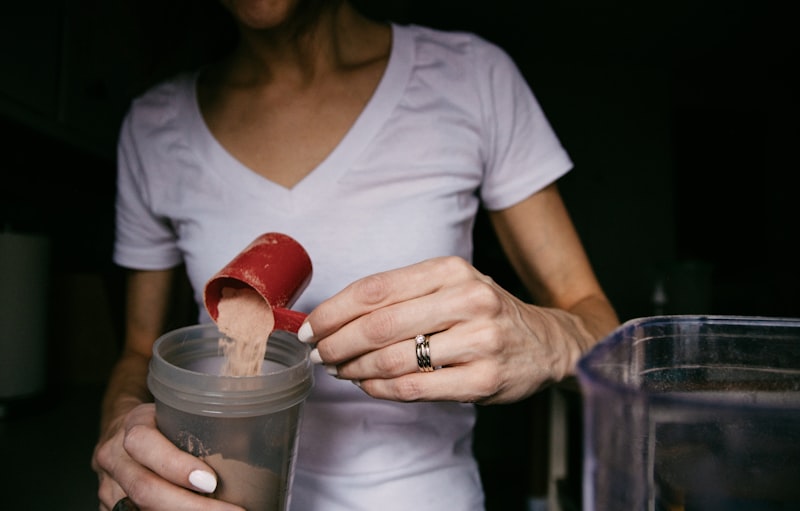
As women enter their 40s and beyond, protein becomes one of the most important nutrients for maintaining health, strength, metabolism, and independence.
Beginning around age 30, adults naturally lose muscle mass in a process called sarcopenia. For women, this process often accelerates during perimenopause and menopause due to declining estrogen levels.
The good news? Research consistently shows that adequate protein intake combined with resistance training can help preserve muscle, support bone health, improve body composition, and promote healthy aging.
This guide explores the best protein sources for women over 40 and how much protein you actually need based on the latest science.
---
Why Protein Matters More After 40
Protein is essential for:
* Preserving lean muscle mass * Supporting metabolism * Maintaining bone strength * Enhancing recovery from exercise * Supporting immune function * Promoting satiety and appetite control
As women age, muscles become less responsive to protein intake, a phenomenon known as anabolic resistance.
This means women over 40 often need more protein than younger adults to achieve the same muscle-building and muscle-preserving effects.
---
How Much Protein Do Women Over 40 Need?
The current Recommended Dietary Allowance (RDA) is:
0.8 grams per kilogram of body weight
However, most experts now agree this amount is simply the minimum needed to prevent deficiency—not the optimal amount for healthy aging.
Research suggests:
1.2–1.6 g/kg/day for healthy active women 1.6–2.2 g/kg/day for women trying to lose weight while preserving muscle Higher intakes may benefit highly active individuals
For example:
A woman weighing 60 kg (132 lbs) may benefit from:
* 72–96 grams daily for general health * 96–132 grams daily during fat loss phases
👉 Spreading protein evenly throughout the day appears more effective than consuming most of it at dinner.
---
1. Eggs
Eggs are one of the highest-quality protein sources available.
Benefits:
* Complete protein source * Rich in leucine, a key amino acid for muscle protein synthesis * Contains choline for brain health * Affordable and convenient
Protein content:
6–7 grams per large egg
Many older concerns regarding eggs and cholesterol have been largely reassessed, and eggs can be part of a heart-healthy diet for most people.
---
2. Greek Yogurt
Greek yogurt provides significantly more protein than regular yogurt.
Benefits:
* High-quality dairy protein * Supports gut health through probiotics * Rich in calcium for bone health * Easy snack or breakfast option
Protein content:
15–20 grams per serving
Choose unsweetened varieties whenever possible.
---
3. Fish and Seafood
Fatty fish provide both protein and omega-3 fatty acids.
Excellent choices include:
* Salmon * Sardines * Tuna * Mackerel * Trout
Benefits:
* Supports muscle maintenance * Promotes heart health * Helps reduce inflammation * Supports brain health
Protein content:
20–25 grams per 100 grams
---
4. Chicken Breast
Chicken remains one of the leanest and most efficient protein sources.
Benefits:
* High protein-to-calorie ratio * Rich in B vitamins * Supports muscle growth and recovery
Protein content:
30–32 grams per 100 grams
It is particularly useful during weight-loss phases when preserving muscle is a priority.
---
5. Lean Beef
Lean beef provides protein along with important nutrients often under-consumed by women.
Benefits:
* Rich in iron * Provides vitamin B12 * Contains zinc * Excellent source of leucine
Protein content:
25–30 grams per 100 grams
Women with low iron levels may particularly benefit from including lean red meat in moderation.
---
6. Cottage Cheese
Cottage cheese is gaining popularity again due to its impressive nutritional profile.
Benefits:
* High protein * Rich in calcium * Contains casein protein for sustained amino acid release
Protein content:
24–28 grams per cup
It can be especially useful as an evening snack.
---
7. Tofu and Soy Foods
Soy is one of the few plant proteins considered a complete protein.
Examples:
* Tofu * Tempeh * Edamame
Benefits:
* Supports muscle health * Provides plant-based protein * Contains isoflavones that may support menopausal health
Protein content:
15–20 grams per serving
Soy foods are well-supported by research and can be part of a healthy diet.
---
8. Lentils and Beans
Legumes are among the healthiest plant-based protein sources.
Benefits:
* High in fiber * Supports gut health * Helps regulate blood sugar * Promotes satiety
Protein content:
15–18 grams per cooked cup
Combining legumes with other plant foods helps improve amino acid diversity.
---
9. Protein Powders
Protein powders can help women reach protein targets more easily.
Common options:
* Whey protein * Casein protein * Soy protein * Pea protein blends
Benefits:
* Convenient * Supports muscle recovery * Useful during weight loss * Helps meet daily protein goals
Protein content:
20–30 grams per scoop
Protein supplements should complement—not replace—a balanced diet.
---
10. Nuts and Seeds
While not as protein-dense as animal proteins, nuts and seeds contribute valuable nutrients.
Examples:
* Almonds * Pumpkin seeds * Chia seeds * Hemp seeds
Benefits:
* Healthy fats * Fiber * Magnesium * Antioxidants
Protein content:
5–10 grams per serving
They work best as supportive protein sources rather than primary protein foods.
---
Why Protein Helps During Menopause
Many women notice:
* Increased belly fat * Slower metabolism * Reduced strength * Difficulty maintaining muscle
Higher protein intake may help:
* Preserve lean mass * Improve satiety * Reduce overeating * Support metabolic health * Improve body composition
Protein becomes even more important when combined with resistance training.
---
Common Protein Mistakes Women Over 40 Make
❌ Eating most protein at dinner
❌ Skipping protein at breakfast
❌ Relying heavily on processed snack foods
❌ Undereating during weight-loss attempts
❌ Avoiding strength training
❌ Consuming too little total protein
---
How to Build a High-Protein Day
Breakfast:
* Greek yogurt + berries * Eggs
Lunch:
* Chicken breast salad * Lentil soup
Snack:
* Cottage cheese * Protein shake
Dinner:
* Salmon * Vegetables * Quinoa
This approach can easily provide 90–120 grams of protein daily.
---
Common Questions
Is too much protein bad for women over 40?
For healthy individuals with normal kidney function, research shows that higher protein intakes within recommended ranges are generally safe and beneficial.
Do women need protein supplements?
Not necessarily. However, protein powders can be a convenient way to meet daily goals.
What is the best protein source for menopause?
High-quality proteins such as fish, eggs, dairy, lean meats, soy foods, and legumes all provide benefits. The most important factor is total daily protein intake.
---
Final Thoughts
Protein is one of the most important nutrients for women over 40.
Adequate protein intake helps preserve muscle, support metabolism, maintain bone health, improve recovery, and promote healthy aging.
Rather than focusing on a single "superfood," prioritize a variety of high-quality protein sources throughout the day.
Combined with regular resistance training, sufficient protein can help women stay strong, active, and healthy for decades to come.
---
Bottom Line
* Aim for 1.2–1.6 g/kg protein daily * Prioritize protein at every meal * Combine protein with resistance training * Include both animal and plant protein sources * Focus on long-term muscle preservation and healthy aging
Your future strength, mobility, and metabolic health depend on the habits you build today.
Comments (0)
Share your thoughts and experiences
No comments yet. Be the first to share your thoughts!