
Your liver could be getting damaged right now—even if you don't drink alcohol
Today, experts use the term **Metabolic Dysfunction-Associated Steatotic Liver Disease (MASLD)**, previously known as non-alcoholic fatty liver disease or NAFLD.
Click a star to rate
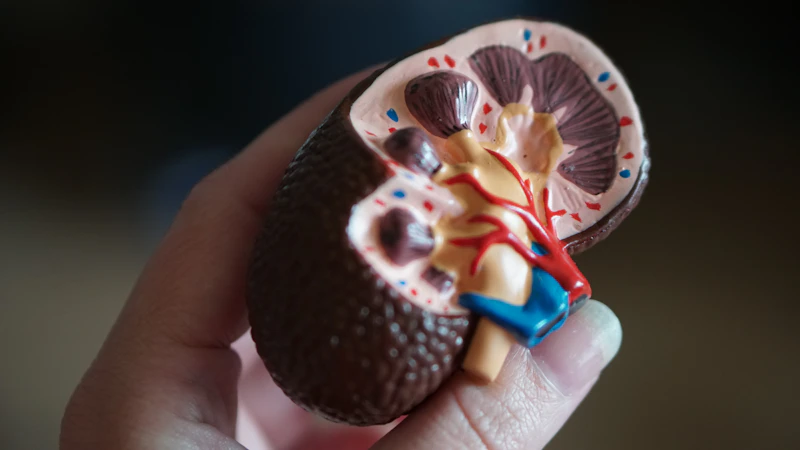
Your Liver Could Be Getting Damaged Right Now—Even If You Don't Drink Alcohol
Fatty liver disease is one of the fastest-growing health problems worldwide. It happens when excess fat builds up inside liver cells. While some cases are linked to alcohol, many occur in people who drink little or no alcohol at all.
Today, experts use the term Metabolic Dysfunction-Associated Steatotic Liver Disease (MASLD), previously known as non-alcoholic fatty liver disease or NAFLD.
The good news? Early-stage fatty liver can often be reversed with lifestyle changes.
What Is Fatty Liver Disease?
Your liver normally contains a small amount of fat. Problems begin when fat makes up more than 5% of the liver's weight.
Fat accumulation can trigger inflammation and liver cell damage over time.
Fatty liver exists on a spectrum:
* Simple fatty liver (steatosis) * Fatty liver with inflammation (MASH, formerly NASH) * Liver fibrosis (scarring) * Cirrhosis * Liver failure or liver cancer in severe cases
Not everyone progresses through these stages, but the risk increases when metabolic health is poor.
Common Signs and Symptoms
Many people experience no symptoms at all.
When symptoms occur, they may include:
* Persistent fatigue * Discomfort or fullness in the upper right abdomen * Unexplained weakness * Difficulty concentrating * Enlarged liver found during a medical exam
Advanced liver disease may cause:
* Yellowing of the skin or eyes * Swelling in the abdomen or legs * Easy bruising * Severe fatigue
Because symptoms are often absent, routine blood tests or imaging frequently discover fatty liver by accident.
Who Is Most at Risk?
Several factors increase the likelihood of developing fatty liver:
* Excess body weight, especially abdominal fat * Insulin resistance or prediabetes * Type 2 diabetes * High triglycerides * Low HDL ("good") cholesterol * High blood pressure * Sedentary lifestyle * Sleep apnea * Polycystic ovary syndrome (PCOS)
However, fatty liver can also occur in people who appear lean but have metabolic dysfunction.
What Causes Fatty Liver?
The primary driver is often insulin resistance.
When cells become less responsive to insulin:
* More fat is released from body fat stores * The liver produces additional fat * Fat burning becomes less efficient * Excess fat accumulates inside liver cells
High intake of sugar-sweetened beverages, excessive calories, lack of physical activity, and poor sleep can contribute to the process.
Genetics also play a role, meaning some individuals develop fatty liver more easily than others.
How Is Fatty Liver Diagnosed?
Doctors may use:
* Liver enzyme blood tests (ALT, AST) * Ultrasound * FibroScan * MRI-based imaging * Fibrosis scoring tools * Liver biopsy in selected cases
It's important to know that normal liver enzyme levels do not always rule out fatty liver.
Can Fatty Liver Be Reversed?
In many cases, yes.
Research consistently shows that losing excess weight can significantly reduce liver fat.
Approximate benefits seen in studies:
* 3–5% weight loss: reduction in liver fat * 7–10% weight loss: improvement in inflammation * Greater weight loss: potential improvement in fibrosis
The earlier intervention begins, the better the outcomes.
Science-Backed Ways to Improve Fatty Liver
1. Lose Weight Gradually
Gradual and sustainable weight loss is one of the most effective treatments.
Crash diets may increase stress on the body and are difficult to maintain long term.
2. Reduce Added Sugar
Sugary drinks are strongly associated with increased liver fat.
Examples include:
* Soft drinks * Sweetened coffee beverages * Energy drinks * Sweetened fruit drinks
Replacing these with water can help reduce excess calorie intake.
3. Prioritize Whole Foods
Focus on:
* Vegetables * Fruits * Fish * Eggs * Lean proteins * Legumes * Nuts * Healthy fats
Dietary patterns similar to the Mediterranean diet have shown benefits for liver health.
4. Exercise Regularly
Both aerobic exercise and resistance training can reduce liver fat.
Studies show benefits even when body weight changes little.
Aim for consistent movement throughout the week rather than occasional intense sessions.
5. Manage Blood Sugar
People with prediabetes or diabetes face a higher risk of progression.
Improving blood sugar control often improves liver health as well.
6. Get Adequate Sleep
Poor sleep quality and sleep apnea are associated with worsening metabolic health and fatty liver progression.
Most adults benefit from 7–9 hours of quality sleep per night.
7. Limit Alcohol
Even small amounts of alcohol may worsen liver stress in some individuals with existing fatty liver disease.
Discuss safe limits with your healthcare provider.
When Should You Seek Medical Advice?
Consult a healthcare professional if:
* Blood tests show elevated liver enzymes * Imaging reveals fatty liver * You have diabetes, obesity, or metabolic syndrome * You experience symptoms of advanced liver disease
Early evaluation can help identify fibrosis before serious complications develop.
Key Takeaway
Fatty liver disease is increasingly common, but it is not always permanent.
The strongest evidence supports improving metabolic health through:
* Sustainable weight loss * Regular exercise * Reduced added sugar intake * Better blood sugar control * Adequate sleep
Small lifestyle changes practiced consistently can significantly improve liver health and reduce the risk of long-term complications.
Frequently Asked Questions
Can fatty liver occur even if I don't drink alcohol?
Yes. Most modern cases are linked to metabolic dysfunction, insulin resistance, obesity, or diabetes rather than alcohol consumption.
How long does it take to reverse fatty liver?
Improvement can begin within weeks to months of sustained lifestyle changes, but the timeline varies depending on the severity of the condition and individual factors.
Is fatty liver dangerous?
Early fatty liver is often reversible. However, some cases can progress to inflammation, fibrosis, cirrhosis, and liver cancer if left unmanaged.
Are liver enzyme tests enough to diagnose fatty liver?
No. Some people with fatty liver have normal liver enzyme levels. Imaging and fibrosis assessments may be needed.
What is the best diet for fatty liver?
Research supports dietary patterns rich in vegetables, fruits, lean proteins, legumes, nuts, and healthy fats while limiting added sugars and highly processed foods.
Can exercise improve fatty liver without weight loss?
Yes. Studies show that both aerobic and resistance training can reduce liver fat and improve metabolic health even when body weight changes only slightly.
Comments (0)
Share your thoughts and experiences
No comments yet. Be the first to share your thoughts!