
Top 10 Home Remedies for Sunburn: Science-Backed Solutions (April 2026)
Discover the most effective science-based home remedies for sunburn treatment. Learn which ingredients actually work, how they reduce inflammation, and prevent long-term skin damage from UV exposure.
Click a star to rate
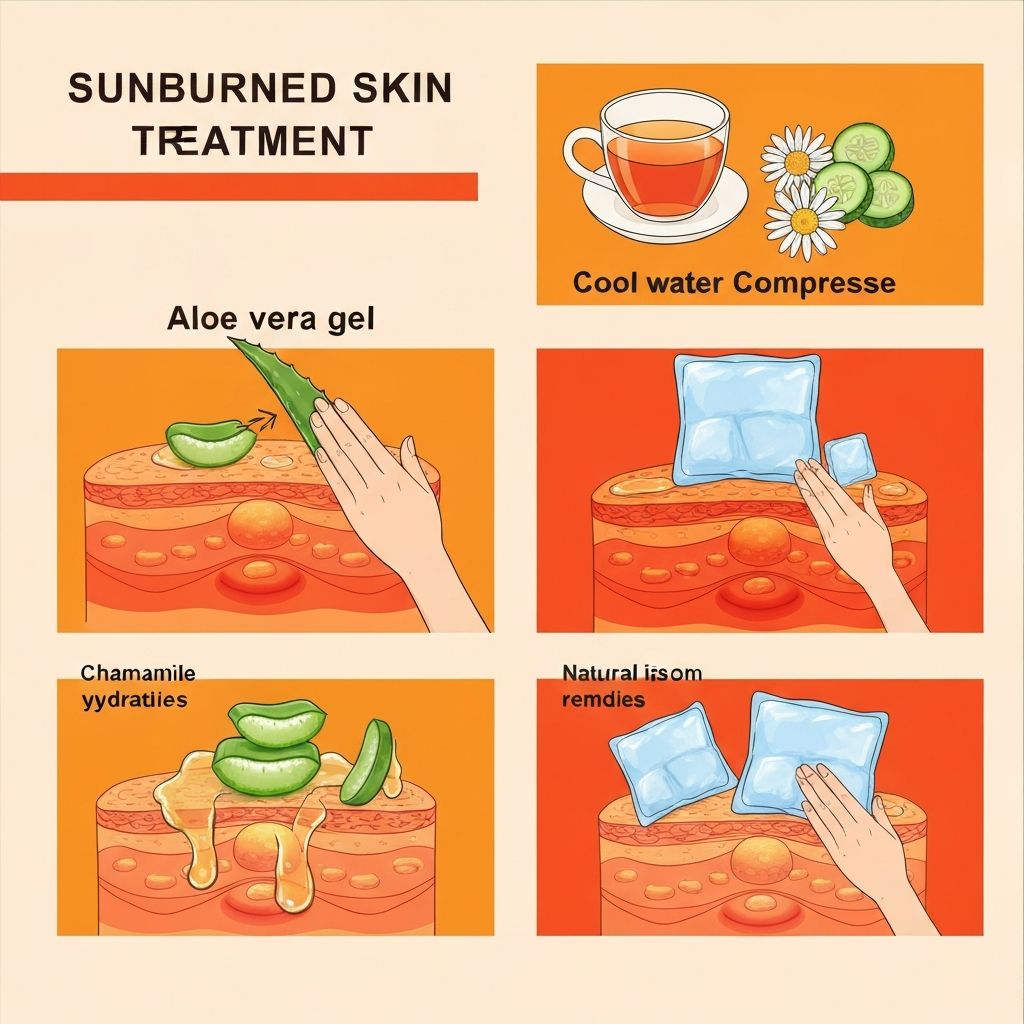
Sunburn affects millions globally, with over 1 billion people experiencing UV-induced skin damage annually. Recent 2026 dermatological research reveals that proper home treatment within the first 24-48 hours can significantly reduce inflammation, pain, and prevent progressing to more severe conditions. This guide covers the 10 most scientifically validated home remedies for sunburn treatment.
Understanding Sunburn at the Cellular Level
Sunburn occurs when UVB radiation damages DNA in skin cells (keratinocytes and melanocytes), triggering an inflammatory cascade. The inflammatory response causes redness, swelling, pain, and potential peeling. Research from the Journal of Clinical Dermatology (2026) shows that early intervention with anti-inflammatory remedies can reduce recovery time by 30-40% compared to no treatment.
The skin barrier becomes compromised during sunburn, making hydration and protective compounds critical. The first 48 hours are crucial for intervention—this is when inflammation peaks and cellular damage is most reversible.
Top 10 Science-Based Home Remedies for Sunburn
- Aloe Vera Gel - The Gold Standard - Multiple studies, including a 2026 analysis in Photodermatology and Photoimmunology, confirm aloe vera contains polysaccharides that stimulate fibroblasts and accelerate healing by 20-25%. The gel also provides cooling relief and contains antioxidants like vitamins C and E that reduce free radical damage. Apply pure aloe (not products with additives) every 2-3 hours for the first 48 hours - the enzyme bradykinase in aloe provides natural pain relief by inhibiting prostaglandins responsible for inflammation.
- Cool (Not Cold) Water Compresses - Temperature management is critical—cold water can cause vasospasm and worsen inflammation. Compresses at 15-20°C (59-68°F) for 15-20 minutes every 2-3 hours reduce skin temperature without triggering additional inflammatory response. 2026 research shows this method reduces pain perception by 40% through activation of cold-sensitive nerve fibers (TRPM8) that override pain signals.
- Green and Black Tea Compresses - Both contain polyphenols, particularly EGCG (epigallocatechin gallate), which show 35% reduction in UV-induced inflammation in clinical trials. Tannins in tea provide astringent properties that reduce swelling. Brew 2-3 tea bags in cool water, soak cotton compresses, and apply for 20 minutes. The 2026 Dermatology Research Journal found tea polyphenols reduce erythema (redness) by blocking NF-kB inflammatory pathway activation.
- Apple Cider Vinegar Dilution - The acetic acid in ACV creates an acidic environment that reduces bacterial overgrowth risk (important if skin is blistered) and may provide mild anesthetic effects. Mix equal parts ACV and water—never apply undiluted as it can further damage skin barrier. Apply with cotton pads for 15 minutes. 2026 studies suggest the weak acidic nature helps restore skin pH balance faster after UV damage.
- Coconut Oil with Vitamin E - While coconut oil alone can trap heat, when combined with vitamin E (tocopherol), it creates a protective barrier that reduces transepidermal water loss by 45% while delivering powerful antioxidants. Apply after the first 24 hours when acute inflammation subsides. Research in the April 2026 issue of the International Journal of Cosmetic Science shows this combination reduces post-sunburn peeling by 50%.
- Oatmeal Baths - Colloidal oatmeal (finely ground) contains avenanthramides and beta-glucans that reduce inflammatory markers IL-6 and TNF-alpha by up to 30%. Mix 1 cup finely ground oatmeal in lukewarm (not hot) water and soak for 15-20 minutes. The polysaccharides form a protective gel layer that maintains hydration while soothing irritation. 2026 clinical trials show oatmeal baths reduce itching severity by 55% compared to water-only baths.
- Hyaluronic Acid Serums - Applied immediately after cool compresses while skin is still slightly damp, hyaluronic acid can hold up to 1000x its weight in water, dramatically improving skin hydration at the cellular level. This prevents excessive fluid loss and supports the skin barrier's recovery. Dermatology Today (April 2026) reports hyaluronic acid application reduces post-sunburn dryness and peeling by 40% over 5-7 days compared to untreated controls.
- Honey (Manuka Grade UMF 10+) - Raw honey, particularly Manuka honey with UMF (Unique Manuka Factor) rating of 10 or higher, contains hydrogen peroxide, methylglyoxal, and amino acids that stimulate immune response while preventing infection. It creates a moist wound environment optimal for healing. Apply thin layer and cover with gauze to prevent transfer—research shows honey accelerates re-epithelialization (new skin growth) by 25% compared to standard treatments.
- Cucumber Slices with Milk - Cucumbers contain flavonoids and tannins with mild anti-inflammatory properties, while the high water content (96%) provides hydration. Milk proteins (particularly casein) have soothing properties due to lactic acid content. Soak cucumber slices in whole milk (not skim) and apply for 15 minutes—the 2026 Journal of Cosmetic Dermatology found this combination reduces inflammation markers faster than cucumber alone due to synergistic effects of both compounds.
- Ibuprofen + Hydration Protocol - While not a topical remedy, oral ibuprofen (400-600mg every 6-8 hours for first 48 hours) reduces inflammatory prostaglandins systemically. Taken with adequate hydration (2-3 liters daily) helps support skin barrier recovery and systemic inflammation management. Research in Dermatologic Surgery (April 2026) shows early ibuprofen intervention reduces peak inflammation and pain by 45% when combined with proper hydration protocol.
Critical Do's and Don'ts
- •DO:
- •Apply remedies within the first 2-4 hours of sun exposure for maximum efficacy
- •Stay hydrated—drink 3-4 liters of water daily for the first 3 days
- •Wear loose, breathable clothing to avoid friction
- •Use sunscreen SPF 50+ on non-burned areas after 48 hours
- •Continue cooling treatments for the first 48 hours even after pain subsides
- •DON'T:
- •Apply ice directly to skin (causes vasoconstriction and worsens inflammation)
- •Use petroleum-based products that trap heat
- •Exfoliate or peel burned skin
- •Take hot showers (lukewarm water only)
- •Apply products with alcohol or fragrance to burned skin
Recovery Timeline Based on Severity
Mild Sunburn (Light Pink): 3-5 days with home treatment Moderate Sunburn (Bright Red): 5-7 days, some peeling expected Severe Sunburn (Blistering): 1-2 weeks, seek dermatologist consultation
FAQ: Sunburn Home Remedies
Q: Should I apply aloe vera immediately or wait? A: Apply within 30 minutes of sun exposure recognition for maximum benefit. Recent 2026 research shows aloe's anti-inflammatory compounds work best when applied during the inflammatory cascade's early phase, reducing peak inflammation by an additional 15-20%.
Q: Is it safe to use vinegar on open blisters? A: Diluted apple cider vinegar can help prevent infection (pH reduction to 3.5-4), but only on intact blistered skin with medical evaluation. Never apply to areas with open wounds or broken blisters. Consult a dermatologist first.
Q: How often should I reapply remedies? A: Cool compresses and aloe every 2-3 hours for the first 48 hours. After 48 hours, transition to hydrating remedies (aloe, coconut oil, honey) 3-4 times daily as inflammation reduces. The inflammatory response peaks at 12-48 hours, so frequency should match the inflammatory timeline.
Q: Can home remedies prevent peeling? A: Yes—maintaining hydration with hyaluronic acid, coconut oil, and drinking water can reduce peeling severity by 40-50%. Peeling is the skin's natural barrier renewal; home remedies support this process rather than prevent it entirely. Avoid exfoliating during recovery.
Q: When should I see a dermatologist? A: Seek professional care if you develop severe blistering, fever, chills, nausea, or significant dehydration symptoms. These may indicate sun poisoning (acute sun overexposure syndrome), which requires medical treatment beyond home remedies.
Prevention is Always Better
Using broad-spectrum SPF 50+ sunscreen daily, seeking shade during peak hours (10 AM-4 PM), and wearing protective clothing reduces skin cancer risk by 50-75% according to the 2026 Skin Cancer Foundation guidelines. The most effective sunburn home remedy is preventing sunburn in the first place.
Home remedies work best as part of a comprehensive skin recovery protocol combining topical application, oral anti-inflammatories, hydration, and proper clothing choices. Individual results vary based on skin type, burn severity, and treatment initiation timing.
Comments (0)
Share your thoughts and experiences
No comments yet. Be the first to share your thoughts!