
Insulin Resistance: Causes, Health Effects, and Science-Backed Reversal Strategies (2026)
Complete guide to insulin resistance: understand how it develops, its systemic health effects, and evidence-based strategies to reverse or prevent it. Updated 2026 research on metabolic dysfunction.
Click a star to rate
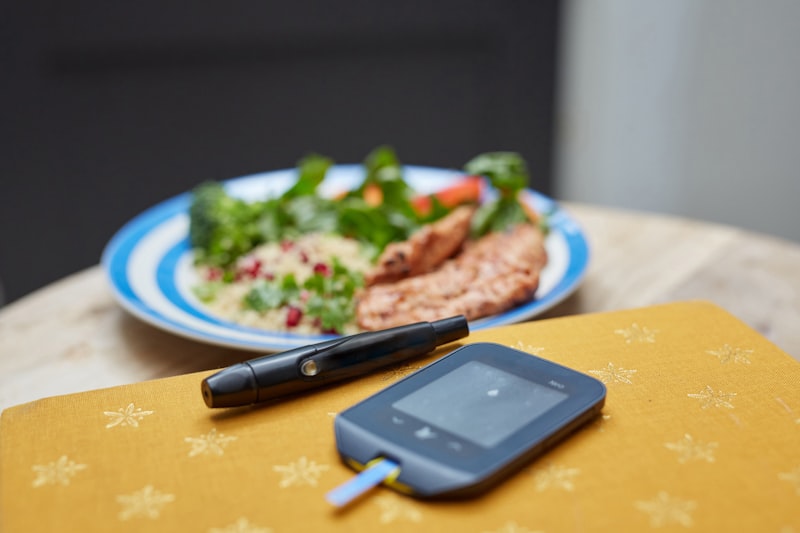
Insulin resistance has become one of the most prevalent metabolic disorders worldwide, contributing substantially to the global burden of type 2 diabetes, cardiovascular disease, and metabolic dysfunction. This silent metabolic condition underlies many chronic diseases including type 2 diabetes, cardiovascular disease, and metabolic syndrome. Understanding its mechanisms and evidence-based reversal strategies is critical for long-term health.
What is Insulin Resistance?
Insulin resistance occurs when cells fail to respond normally to insulin signaling, forcing the pancreas to produce progressively higher amounts of insulin to maintain normal blood glucose levels.
In healthy insulin-sensitive individuals, insulin binds to insulin receptors on muscle, liver, and fat cells, triggering glucose uptake. With insulin resistance, this process becomes impaired—cells don't respond effectively, even with normal insulin levels.
The Progressive Stages: 1. Normal glucose tolerance - Fasting glucose <100 mg/dL, normal insulin response 2. Prediabetes - Fasting glucose 100-125 mg/dL and/or A1C 5.7-6.4% 3. Type 2 diabetes - Fasting glucose >126 mg/dL or A1C >6.5%
Primary Causes of Insulin Resistance
1. Excessive Abdominal Adiposity (Visceral Fat)
Visceral fat—the metabolically active fat surrounding organs—is the strongest predictor of insulin resistance independent of total body weight. Visceral adipocytes release inflammatory cytokines (IL-6, TNF-α) and free fatty acids that directly interfere with insulin receptor signaling.
Studies show that even lean individuals with high visceral fat deposits have elevated insulin resistance risk.
2. Chronic Inflammation
Systemic inflammation impairs the insulin signaling cascade. Multiple inflammatory markers correlate strongly with insulin resistance: - C-reactive protein (CRP) - Interleukin-6 (IL-6) - Tumor necrosis factor-alpha (TNF-α)
Dietary patterns, processed foods, and sedentary behavior amplify inflammatory pathways.
3. Poor Diet Quality
High-glycemic processed foods contribute to repeated elevations in blood glucose and insulin demand, which may accelerate metabolic dysfunction in susceptible individuals. High-fructose corn syrup and refined carbohydrates are particularly problematic.
Trans fats promote insulin resistance through direct effects on cell membranes and inflammatory signaling. Observational studies show strong associations between trans fat consumption and insulin resistance development.
Omega-3 intake matters: Many modern diets contain substantially more omega-6 fatty acids than omega-3 fatty acids. Increasing omega-3-rich foods may support overall cardiometabolic health.
4. Physical Inactivity
Muscle is the primary site of glucose disposal. Sedentary behavior leads to muscle atrophy and impaired glucose transporter (GLUT4) expression on muscle cells. Even acute inactivity (3 days of bedrest) reduces insulin sensitivity by 20-30%.
Resistance training is particularly effective at improving insulin sensitivity through GLUT4 upregulation and increased muscle glucose capacity.
5. Sleep Deprivation
Sleep restriction (<6 hours) can significantly impair insulin sensitivity, with studies commonly showing reductions ranging from 10-30%. through multiple mechanisms: - Elevated cortisol (drives hepatic glucose production) - Increased sympathetic nervous system activity - Impaired beta cell function - Dysregulated appetitive hormones (ghrelin/leptin)
Chronic sleep deprivation accelerates insulin resistance progression.
6. Chronic Stress
Elevated cortisol increases hepatic glucose production and antagonizes insulin action. Stress-induced hyperglycemia occurs even in non-diabetics under acute stress. Chronic psychological stress predicts insulin resistance development independent of BMI.
7. Genetic Predisposition
Twin studies suggest 30-40% of insulin resistance variation is heritable. Specific genetic variants (TCF7L2, FTO) increase diabetes risk, but epigenetic and lifestyle factors determine whether genetic predisposition manifests clinically.
8. Metabolic Dysfunction Associated Fatty Liver Disease (MAFLD)
Hepatic steatosis directly impairs hepatic insulin signaling, reducing glucose uptake and increasing glucose production. MAFLD commonly coexists with insulin resistance and is highly prevalent among individuals with obesity, metabolic syndrome, and type 2 diabetes.
---
Health Effects and Systemic Consequences
Immediate Metabolic Effects
Hyperinsulinemia (elevated fasting insulin) creates multiple pathogenic consequences: - Increased hepatic lipogenesis (fat production) - Reduced adiponectin secretion (anti-inflammatory hormone) - Impaired lipolysis (fat burning ability) - Elevated triglycerides - Reduced HDL cholesterol
Type 2 Diabetes Progression
Insulin resistance is the foundational defect in type 2 diabetes. Progressive beta cell failure (loss of 50% function by diagnosis) leads to overt hyperglycemia. Once fasting glucose exceeds 126 mg/dL, significant metabolic damage has accumulated.
Cardiovascular Disease
Insulin resistance promotes atherogenesis through: - Atherogenic lipid abnormalities and unfavorable lipoprotein profiles - Elevated triglycerides - Reduced HDL - Endothelial dysfunction - Increased arterial stiffness - Pro-thrombotic state
Patients with insulin resistance have 2-3x higher cardiovascular event risk.
Polycystic Ovary Syndrome (PCOS)
~70% of PCOS patients demonstrate insulin resistance. Hyperinsulinemia overstimulates ovarian androgen production, driving acne, hirsutism, and irregular cycles.
Non-Alcoholic Fatty Liver Disease (NAFLD/MAFLD)
Insulin resistance drives hepatic triglyceride accumulation. Progressive stages include: - Simple steatosis (fatty infiltration) - Steatohepatitis (inflammation) - Cirrhosis in a subset of individuals with progressive liver disease
Increased Cancer Risk
Insulin and IGF-1 promote cell proliferation and reduce apoptosis. Epidemiologic data links hyperinsulinemia to increased colon, breast, and endometrial cancer risk.
Cognitive Decline
Emerging evidence suggests insulin resistance impairs cerebral glucose metabolism, contributing to cognitive decline and Alzheimer's disease risk. Researchers have observed links between impaired brain insulin signaling and Alzheimer's disease, although "type 3 diabetes" remains a research concept rather than a formal medical diagnosis.
Chronic Inflammation and Autoimmunity
Insulin resistance is associated with chronic low-grade inflammation that may influence immune function and overall metabolic health.
---
Science-Backed Reversal and Prevention Strategies
1. Dietary Intervention (Most Critical)
- •Reduce refined carbohydrates and added sugars:
- •Eliminate high-fructose corn syrup
- •Minimize refined grains
- •Limit added sugars to <25g/day (women), <36g/day (men)
Multiple clinical trials suggest that reducing refined carbohydrate intake can improve insulin sensitivity, particularly among individuals with prediabetes or metabolic syndrome.
- •Increase whole food quality:
- •Emphasize whole grains, legumes, vegetables
- •Include fiber-rich foods (30g+ daily)
- •Soluble fiber particularly improves insulin sensitivity
Studies show dietary patterns like Mediterranean, low-glycemic index, and whole-food plant-forward approaches effectively reverse early insulin resistance.
- •Optimize macronutrient composition:
- •Adequate protein intake helps preserve muscle mass and support satiety
- •Prioritize minimally processed fats such as olive oil, nuts, seeds, avocado, and fatty fish
- •Include omega-3 sources (fatty fish, flaxseed, walnuts)
- •Emphasize whole-food fats (nuts, avocado, olive oil)
Studies suggest that replacing highly processed foods with minimally processed carbohydrate sources can support improvements in metabolic health.
- •Intermittent fasting considerations:
- •Time-restricted eating may provide modest improvements in insulin sensitivity for some individuals
- •Fasting amplifies dietary benefits but isn't necessary for reversal
- •Dietary quality matters more than fasting duration
2. Regular Physical Activity
- •Resistance training (Most Effective):
- •2-3 sessions weekly consistently improves insulin sensitivity and glucose regulation
- •Increases GLUT4 transporter expression
- •Builds glucose-consuming muscle mass
- •Benefits occur independent of weight loss
Progressive resistance training showing 3-4 sets of 8-12 reps per exercise is optimal.
- •Aerobic exercise:
- •150 minutes moderate-intensity weekly
- •High-intensity interval training (HIIT) can improve insulin sensitivity and cardiorespiratory fitness
- •Acute benefits occur within 48 hours post-exercise
- •Breaking up sedentary time:
- •Frequent movement breaks throughout the day can help reduce post-meal glucose excursions
- •Light activity is surprisingly effective for insulin sensitivity
3. Sleep Optimization
- •Target 7-9 hours nightly
- •Consistent sleep/wake times (even weekends)
- •Cool (65-68°F), dark sleep environment
- •90-minute minimum post-meal before sleep
- •Limit blue light 1-2 hours before bed
Sleep improvement alone can reverse prediabetes in susceptible individuals.
4. Stress Management
- •Mindfulness meditation (10-20 min daily) reduces cortisol
- •Regular exercise is the most effective stress buffer
- •Adequate sleep
- •Social connection
- •Nature exposure
Chronic stress management often yields 10-15% insulin sensitivity improvements.
5. Targeted Supplements (Adjunctive)
Evidence-supported options with clinical data:
Chromium picolinate: 200mcg daily has shown mixed results in clinical studies, with potential benefits in some insulin-resistant individuals.
Inositol (myo-inositol): 2-4g daily, particularly beneficial for PCOS-related insulin resistance.
Berberine: 500mg 2-3x daily has demonstrated improvements in glucose metabolism in several studies, although evidence quality remains lower than for prescription medications such as metformin.
Alpha-lipoic acid: 600-1200mg daily, particularly for diabetic complications.
Magnesium: 300-400mg daily, deficiency common in insulin-resistant populations.
Note: Supplements are adjunctive to dietary and lifestyle changes, not replacements.
6. Weight Loss (If Overweight)
Even 5-10% weight loss—if predominantly from visceral fat—can substantially improve insulin sensitivity. However, lean individuals can develop and reverse insulin resistance through the interventions above.
- •Mechanisms of weight loss benefit:
- •Reduced visceral adiposity
- •Decreased inflammatory signaling
- •Improved hepatic insulin signaling
---
Monitoring and Assessment
HOMA-IR Score (Homeostatic Model Assessment)
HOMA-IR = (Fasting Insulin × Fasting Glucose) / 405
Interpretation:
HOMA-IR interpretation varies by population, ethnicity, laboratory methods, and clinical context. Higher values generally indicate greater insulin resistance, and results should be interpreted alongside fasting glucose, fasting insulin, A1C, and other metabolic markers.
Other Markers - **Fasting insulin:** Normal <12 mIU/L; elevated levels indicate early resistance - **Fasting glucose:** <100 mg/dL normal; 100-125 prediabetic - **A1C (glycated hemoglobin):** <5.7% normal; 5.7-6.4% prediabetic - **Triglycerides:** <150 mg/dL optimal - **HDL cholesterol:** >40 mg/dL (men), >50 mg/dL (women)
Advanced Markers (Functional Medicine) - **Insulin response to glucose tolerance test (OGTT):** Exaggerated early response indicates resistance - **Advanced lipid panels:** Particle number, LDL pattern - **hs-CRP:** Inflammatory marker
---
Timeline for Reversal
- •Early intervention (prediabetes):
- •4-12 weeks: Insulin sensitivity improvements measurable
- •3 months: Meaningful improvements in fasting insulin and glucose regulation are often measurable
- •6 months: Potential full reversal to normal glucose tolerance
- •Established type 2 diabetes:
- •8-12 weeks: Modest improvements in insulin sensitivity
- •6 months: Potential medication reduction
- •1-2 years: Some individuals achieve remission (fasting glucose <126 mg/dL without medication)
Individual variation is substantial based on genetic factors, baseline severity, and intervention adherence.
---
Common Mistakes in Reversal Attempts
❌ Focusing only on weight loss - Metabolic quality matters more than scale weight
❌ Excessive cardio without resistance training - Doesn't build glucose-consuming muscle
❌ Continued refined carbohydrate consumption - Undermines all other efforts
❌ Assuming fasting alone reverses resistance - Requires dietary quality improvement
❌ Inadequate protein intake - Leads to muscle loss and metabolic decline
❌ Ignoring sleep - Sleep deprivation sabotages metabolic progress
❌ Short intervention duration - Expecting 2-4 week results; allow 8-12 weeks minimum
---
When to Seek Medical Support
- •Fasting glucose >125 mg/dL
- •Family history of type 2 diabetes
- •PCOS diagnosis
- •Cardiovascular disease risk factors
- •Inability to improve metabolic markers with lifestyle changes
Qualified healthcare providers (functional medicine doctors, registered dietitians) can guide personalized intervention strategies.
---
Conclusion
Insulin resistance is reversible in most cases when addressed with comprehensive dietary, lifestyle, and stress management interventions. The most critical factors are:
- Dietary quality (low glycemic load, whole foods)
- Regular resistance training
- Adequate sleep (7-9 hours)
- Stress management
- Breaking sedentary patterns
The science is clear: insulin resistance develops gradually through cumulative lifestyle factors and reverses through the same pathways. Intervention at the prediabetic stage yields the highest success rates and fastest reversals.
The average person implementing these evidence-based strategies can expect measurable improvements in 4-8 weeks and substantial metabolic transformation within 3-6 months.
Comments (0)
Share your thoughts and experiences
No comments yet. Be the first to share your thoughts!