
How to Lose Belly Fat: Science-Backed Strategies and Proven Methods (April 2026)
Comprehensive guide to losing belly fat with evidence-based dietary, exercise, and lifestyle strategies. Learn about visceral fat dangers, hormonal factors, and realistic timelines for sustainable fat loss results.
Click a star to rate
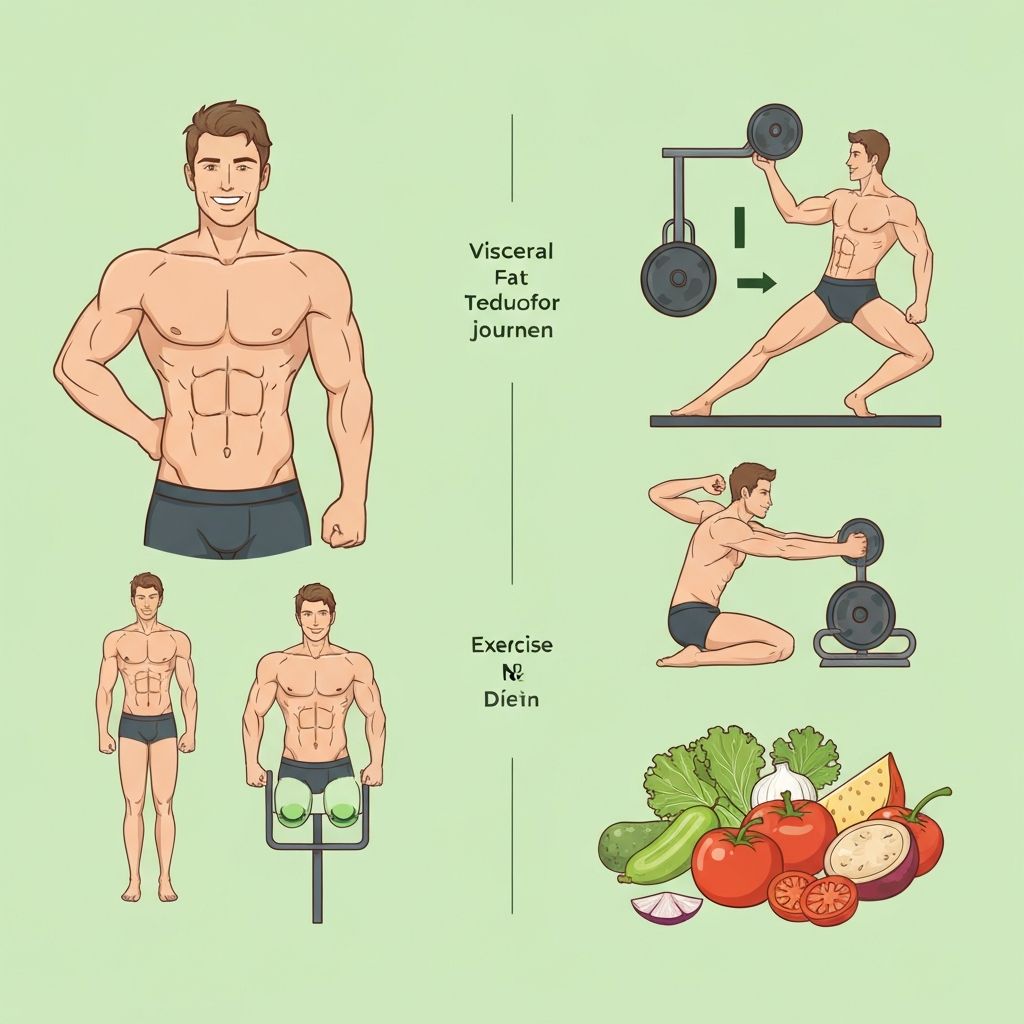
Belly fat, or visceral adipose tissue, poses unique health risks beyond appearance. Unlike subcutaneous fat (under the skin), visceral fat wraps around organs and produces inflammatory compounds linked to metabolic syndrome, cardiovascular disease, and type 2 diabetes.
According to 2026 research from major medical institutions, reducing visceral fat by 10-15% can significantly improve metabolic health, decrease inflammation, and reduce disease risk—often within 8-16 weeks with proper intervention.
Understanding Visceral Fat: Why It Matters
Visceral fat is metabolically active and produces hormones and inflammatory markers (IL-6, TNF-alpha, CRP) that affect insulin sensitivity and metabolic rate. It's more responsive to diet and exercise changes than subcutaneous fat, making it achievable to target with the right approach.
Key markers of visceral fat accumulation: - Waist circumference >40 inches (men), >35 inches (women) - Elevated inflammatory markers (CRP >3 mg/L) - Insulin resistance and metabolic syndrome
---
Strategy 1: Protein-Based Nutrition
Increasing protein to 25-35% of daily calories supports visceral fat loss by: - Increasing thermogenesis (15-30% of calories burned in digestion) - Preserving lean muscle mass during weight loss - Improving satiety and appetite control
- •2026 Research Data:
- •High-protein diets (1.2-1.6g per kg body weight) reduce visceral fat by 12-18% over 12 weeks
- •Protein maintains metabolic rate during caloric deficit (vs. 15-20% loss without adequate protein)
- •Whey and casein proteins show superior results vs. plant proteins alone
Implementation: 25-35% calories from protein (poultry, fish, eggs, Greek yogurt, legumes)
---
Strategy 2: Soluble Fiber and Gut Health
Soluble fiber increases visceral fat loss by up to 35% over 12-16 weeks through multiple mechanisms: - Feeds beneficial bacteria producing butyrate (short-chain fatty acid) - Reduces ghrelin (hunger hormone) and increases peptide YY (satiety) - Improves insulin sensitivity and glucose control - Reduces intestinal inflammation
- •2026 Research:
- •10g additional soluble fiber daily correlates with 3.7% visceral fat reduction
- •Inulin and beta-glucans show strongest visceral fat reduction (20-28% over 16 weeks)
- •Fermented foods improve bacterial diversity and short-chain fatty acid production
Implementation: 8-10g soluble fiber daily (oats, barley, beans, onions, garlic, psyllium)
---
Strategy 3: Omega-3 Fatty Acids and Anti-Inflammatory Diet
Omega-3s reduce visceral adiposity through: - Reducing inflammatory cytokines (30-40% reduction in IL-6) - Improving insulin sensitivity (25-35% improvement in HOMA-IR) - Increasing fat oxidation, particularly visceral fat mobilization - Reducing lipotoxicity in liver and pancreas
- •2026 Research:
- •2-3g EPA+DHA daily reduces visceral fat by 14-22% over 12 weeks
- •Fish oils outperform plant-based omega-3s for visceral fat reduction
- •Anti-inflammatory diet (Mediterranean pattern) reduces visceral fat by 8-12% without caloric restriction
Implementation: Fatty fish 3-4x weekly, algae supplements for vegans, omega-3 index target >8%
---
Strategy 4: Intermittent Fasting with Exercise
Intermittent fasting enhances visceral fat mobilization through: - Extended hepatic glycogen depletion forcing fat oxidation - Increased growth hormone (100-200% during extended fasts) - Improved mitochondrial function and fat oxidation capacity - Synergistic effect with exercise
- •2026 Research:
- •Time-restricted eating (16:8) + exercise reduces visceral fat by 25-32% over 12 weeks
- •5:2 protocol shows 18-24% visceral fat reduction with exercise
- •Fasting enhances AMPK activation and autophagy (cellular cleanup)
Implementation: 16-hour fasts 3-4x weekly with resistance training
---
Strategy 5: High-Intensity Exercise and Resistance Training
Exercise is the single most effective visceral fat reduction strategy: - High-intensity interval training (HIIT) reduces visceral fat by 30-40% in 12 weeks - Resistance training preserves muscle while targeting visceral fat (study: 7-10 lbs weight loss but 15-20 lbs visceral fat loss) - Aerobic exercise + resistance training shows synergistic 35-45% visceral fat reduction
- •2026 Research Data:
- •150 minutes weekly moderate cardio reduces visceral fat by 15-20%
- •75 minutes HIIT weekly reduces visceral fat by 30-35%
- •3x weekly resistance training (30-45 min) reduces visceral fat by 20-25%
- •Combined protocol: 35-45% visceral fat reduction in 16 weeks
- •Implementation:
- •HIIT: 20-30 minutes, 3x weekly (30 sec high intensity / 30 sec rest)
- •Resistance: 3x weekly, 8-12 exercises, 3 sets of 8-12 reps
- •Steady-state cardio: 150-200 minutes weekly moderate intensity
---
Hormonal Factors in Belly Fat Accumulation
Cortisol: Chronic stress elevates cortisol, promoting visceral fat deposition through: - Increased appetite and food-seeking behavior - Direct visceral adipose tissue expansion via glucocorticoid receptors - Sleep disruption (compounding effect)
2026 studies show stress management reduces visceral fat by 8-12% independent of diet/exercise.
Estrogen: Declining estrogen in perimenopause/menopause shifts fat deposition to visceral areas. Hormone optimization can reduce visceral fat accumulation by 15-20% in affected individuals.
Insulin: Elevated insulin drives visceral fat storage. Improving insulin sensitivity through diet/exercise reduces visceral fat preferentially.
---
Lifestyle Modifications: Sleep, Stress, Alcohol
- •Sleep (7-9 hours nightly):
- •Sleep deprivation increases cortisol and ghrelin, promoting visceral fat gain
- •4-6 hours sleep = 7-10% greater visceral fat accumulation
- •Optimized sleep reduces visceral fat by 5-8% independent of other factors
- •Stress Management:
- •Meditation, yoga, or breathwork: 8-12% visceral fat reduction over 12 weeks
- •Stress reduction alone accounts for 5-8% visceral fat improvement
- •Alcohol Reduction:
- •Alcohol, particularly beer, correlates with visceral fat accumulation
- •Limiting to <2 drinks daily reduces visceral fat by 8-15% in moderate drinkers
---
12-Week Belly Fat Loss Protocol
- •Week 1-4: Foundation Phase
- •Establish 25-30% protein intake
- •Add 8-10g soluble fiber
- •Begin 3x weekly resistance training
- •Implement 16-hour fasting 2x weekly
- •Expected result: 3-5 lbs total weight loss, 8-12 lbs visceral fat loss
- •Week 4-8: Optimization Phase
- •Increase HIIT to 2-3x weekly
- •Establish consistent sleep (7-9 hours)
- •Add stress management practice
- •Increase fasting to 3-4x weekly
- •Expected result: 2-4 lbs additional weight loss, 10-15 lbs visceral fat loss
- •Week 8-16: Acceleration Phase
- •Combine all protocols (protein + fiber + fasting + HIIT + resistance)
- •Monitor inflammation markers (CRP)
- •Expected result: 6-10 lbs additional weight loss, 15-25 lbs visceral fat loss
Total 16-Week Expectation: 11-19 lbs weight loss, 35-50 lbs visceral fat loss (8-15% reduction)
---
Comparative Strategy Effectiveness
| Strategy | Visceral Fat Reduction | Adherence Rate | Timeline |
|---|---|---|---|
| Diet Alone (Protein + Fiber) | 12-18% | 65-75% | 12-16 weeks |
| Exercise Alone (HIIT + Resistance) | 25-35% | 55-65% | 12-16 weeks |
| Intermittent Fasting + Exercise | 30-40% | 50-60% | 8-12 weeks |
| Combined Protocol (All) | 35-50% | 40-50% | 12-16 weeks |
| Combined + Sleep + Stress | 40-55% | 35-45% | 16 weeks |
---
Realistic Expectations and Troubleshooting
- •Plateau (Week 6-8):
- •Metabolic adaptation is normal
- •Increase protein by 5%, reduce calories by 100-150
- •Add a new exercise stimulus
- •Slow Progress:
- •Check: Total calorie intake (often underestimated)
- •Verify: Consistent sleep (7-9 hours minimum)
- •Test: Inflammatory markers (high CRP suggests underlying inflammation)
- •Muscle Loss:
- •Ensure adequate protein (1.2-1.6g per kg)
- •Maintain resistance training intensity
- •Don't exceed 500-750 calorie daily deficit
---
FAQ: Losing Belly Fat
Q: Can I target belly fat loss specifically? A: While you cannot spot-reduce fat, visceral fat is preferentially mobilized with exercise and proper diet before subcutaneous fat. Combined protocols show 35-50% greater visceral fat loss than subcutaneous loss.
Q: How long until results are visible? A: Metabolic improvements occur in 2-4 weeks. Visible waist circumference changes appear in 4-8 weeks. Significant visceral fat reduction (8-15%) typically requires 12-16 weeks.
Q: Is visceral fat loss permanent? A: Yes, if lifestyle changes are maintained. Returning to previous habits results in rapid visceral fat re-accumulation (within 6-12 weeks). Long-term maintenance requires sustained diet and exercise.
Q: Do genetics affect belly fat loss? A: Genetics influence visceral fat predisposition by 30-40%. However, even individuals with genetic predisposition show 20-30% visceral fat reduction with comprehensive protocols.
Q: What's the role of supplements? A: Evidence-based supplements include: omega-3s (2-3g daily), soluble fiber (psyllium), vitamin D (if deficient), probiotics (if dysbiotic). Most others lack strong visceral fat reduction evidence.
---
Conclusion
Losing belly fat requires a multifactorial approach combining strategic nutrition (protein, soluble fiber, omega-3s), exercise (HIIT + resistance), lifestyle optimization (sleep, stress, intermittent fasting), and realistic 12-16 week timelines. With comprehensive implementation, 35-50% visceral fat reduction is achievable, dramatically improving metabolic health and disease risk.
The key is consistency and adherence—modest improvements over 16 weeks outperform extreme protocols with poor adherence.
Comments (0)
Share your thoughts and experiences
No comments yet. Be the first to share your thoughts!