Hydration and Athletic Performance: Evidence-Based Guide for Better Workouts, Recovery, and Fat Loss Support
Learn how hydration affects athletic performance, workout quality, recovery, and healthy weight-management efforts. Discover evidence-based hydration strategies, common myths, electrolyte guidance, and practical recommendations for active adults.
Click a star to rate
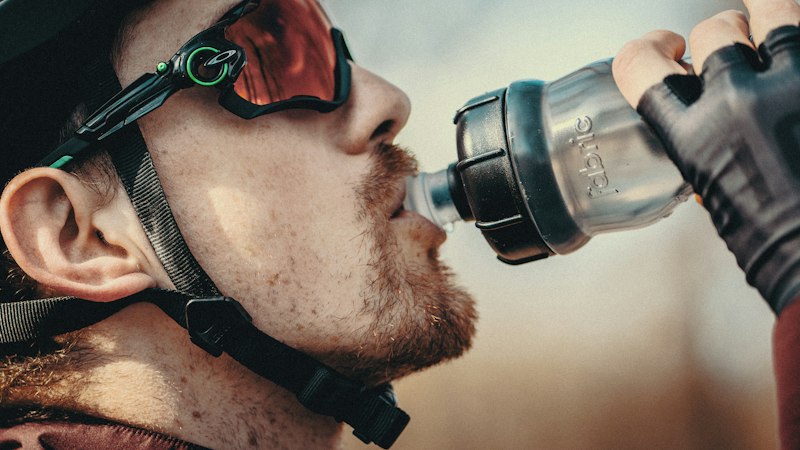
Hydration is one of the most important yet frequently overlooked factors affecting exercise performance, workout comfort, recovery, and overall health.
Many people spend significant time researching workout programs, calorie targets, supplements, and meal plans while paying very little attention to hydration habits. However, water plays a critical role in nearly every system involved in physical activity.
Whether your goal is fat loss, improved fitness, better endurance, increased strength, or simply feeling better during exercise, hydration deserves a place alongside nutrition and training as a foundational habit.
Unlike many fitness trends that come and go, hydration recommendations are supported by decades of scientific research and guidance from organizations such as the American College of Sports Medicine (ACSM), the International Society of Sports Nutrition (ISSN), the National Academies of Sciences, Engineering, and Medicine, and the Centers for Disease Control and Prevention (CDC).
For beginners, hydration can feel confusing. Questions are common:
- •How much water should I drink?
- •Do I need sports drinks?
- •Is thirst a reliable guide?
- •Can hydration help with weight loss?
- •What are electrolytes?
- •Does coffee cause dehydration?
💡 Recommended Product: This pink tumbler keeps drinks hot or cold all day. More than just a water bottle, the HydroJug Traveler complements an active lifestyle. Available in multiple attractive colors, each sip becomes both a delight and a statement. Perfect for your daily busy life!
View on Amazon →This guide answers these questions while providing practical, evidence-based strategies that can help support exercise performance and healthy lifestyle habits.
What Is Hydration?
Hydration refers to maintaining an appropriate balance of fluids within the body.
Water makes up a substantial portion of the human body and supports countless physiological processes. Depending on age, sex, and body composition, water may account for approximately half to more than two-thirds of body weight.
Every day, the body loses fluids through:
- •Breathing
- •Sweating
- •Urination
- •Digestion
- •Normal metabolic processes
These losses must be replaced through beverages and foods containing water.
Hydration is not simply about preventing thirst. Proper fluid balance supports normal function throughout the body and becomes especially important during physical activity.
Key roles of water include:
- •Regulating body temperature
- •Supporting blood circulation
- •Transporting nutrients
- •Removing waste products
- •Lubricating joints
- •Supporting muscle contraction
- •Supporting cognitive function
- •Maintaining normal cellular processes
Without adequate fluid intake, these systems may become less efficient.
Why Hydration Matters for Athletic Performance
Exercise increases the body's demand for fluids.
As physical activity becomes more intense or prolonged, sweat production typically increases. Sweating helps cool the body, but it also results in fluid loss.
Hydration affects several factors related to exercise performance.
Temperature Regulation
One of the body's primary cooling mechanisms is sweating.
As sweat evaporates from the skin, body heat is released.
When fluid losses become significant and are not replaced, temperature regulation may become more challenging. Exercise often feels more difficult when the body is working harder to manage heat.
This is one reason athletes and recreational exercisers pay close attention to hydration during hot weather.
Blood Volume and Circulation
Water helps maintain blood volume.
Adequate blood volume supports circulation and helps transport oxygen and nutrients to working muscles.
During exercise, efficient circulation becomes increasingly important because muscles require a continuous supply of oxygen and nutrients to sustain activity.
Exercise Comfort
Many people report that workouts feel more difficult when hydration is neglected.
While hydration is only one factor influencing exercise performance, maintaining fluid balance can help support a more comfortable exercise experience.
Cognitive Performance
Physical activity does not involve muscles alone.
Exercise also requires concentration, coordination, reaction time, and decision-making.
Hydration supports normal brain function and cognitive performance, which may be especially relevant during sports and activities requiring focus.
Recovery Support
Recovery begins during and immediately after exercise.
Replacing fluids lost through sweat is an important part of post-workout recovery and helps restore normal fluid balance.
Understanding Sweat and Fluid Losses
Sweat losses vary dramatically between individuals.
Two people performing the same workout may lose very different amounts of fluid.
Factors affecting sweat rate include:
- •Exercise intensity
- •Exercise duration
- •Outdoor temperature
- •Humidity
- •Body size
- •Clothing
- •Fitness level
- •Genetics
Some individuals are naturally heavy sweaters, while others lose considerably less fluid under similar conditions.
This variability is one reason hydration recommendations should be personalized rather than based on a single universal rule.
Signs That You May Need More Fluids
Hydration status exists on a spectrum.
Many factors influence how hydrated a person is throughout the day.
Potential signs that fluid intake may deserve attention include:
- •Increased thirst
- •Dry mouth
- •Dark yellow urine
- •Headaches
- •Dizziness
- •Unusual fatigue
- •Reduced exercise comfort
- •Difficulty concentrating
- •Feeling overheated during activity
These signs are not specific to hydration and can occur for other reasons.
Persistent symptoms should be discussed with a qualified healthcare professional.
Water vs Electrolytes
One of the most common questions in sports nutrition involves the difference between water and electrolytes.
Understanding both can help simplify hydration decisions.
What Are Electrolytes?
Electrolytes are minerals that carry an electrical charge when dissolved in fluids.
They help regulate:
- •Fluid balance
- •Muscle contraction
- •Nerve signaling
- •Cellular communication
Key electrolytes include:
- •Sodium
- •Potassium
- •Magnesium
- •Calcium
- •Chloride
These minerals are lost in sweat to varying degrees.
Why Sodium Matters
Sodium is often the primary electrolyte lost through sweat.
Because sodium helps regulate fluid balance, replacing it may become important during prolonged exercise or periods of heavy sweating.
This is one reason many sports drinks contain sodium.
When Water Is Often Enough
For many healthy adults performing:
- •Walking workouts
- •Recreational exercise
- •Moderate gym sessions
- •Short runs
- •Strength-training sessions under about an hour
Water is often sufficient.
For these activities, replacing sweat losses with water and consuming a balanced diet typically meets hydration needs.
When Electrolytes May Be Helpful
Electrolyte replacement may become more useful during:
- •Endurance events
- •Long-distance running
- •Cycling sessions lasting several hours
- •Hot-weather exercise
- •Multiple workouts per day
- •Heavy sweat losses
Athletes participating in prolonged activity often benefit from a combination of fluids and electrolytes.
Hydration and Fat Loss: What the Evidence Says
Hydration is frequently discussed in weight-loss circles.
Unfortunately, many claims exaggerate what hydration can realistically accomplish.
What Hydration Can Do
Hydration may help support:
- •Exercise participation
- •Workout comfort
- •Physical activity levels
- •Healthy eating habits
- •Overall well-being
Because exercise feels more manageable when basic needs are addressed, hydration can indirectly support consistency with fitness goals.
What Hydration Cannot Do
Water is not a magic fat-burning solution.
Drinking excessive amounts of water does not automatically increase fat loss.
No credible evidence shows that simply increasing water intake without addressing nutrition and physical activity habits leads to substantial or sustainable fat loss.
Fat loss ultimately depends on long-term energy balance and lifestyle behaviors.
Hydration supports those behaviors, but it does not replace them.
Hydration and Appetite
Some people notice that thirst can occasionally be mistaken for hunger.
Maintaining regular hydration habits may help individuals better recognize genuine hunger and fullness cues.
However, hydration should not be viewed as an appetite-suppression strategy.
The goal is proper hydration, not using water to avoid eating.
Common Hydration Myths
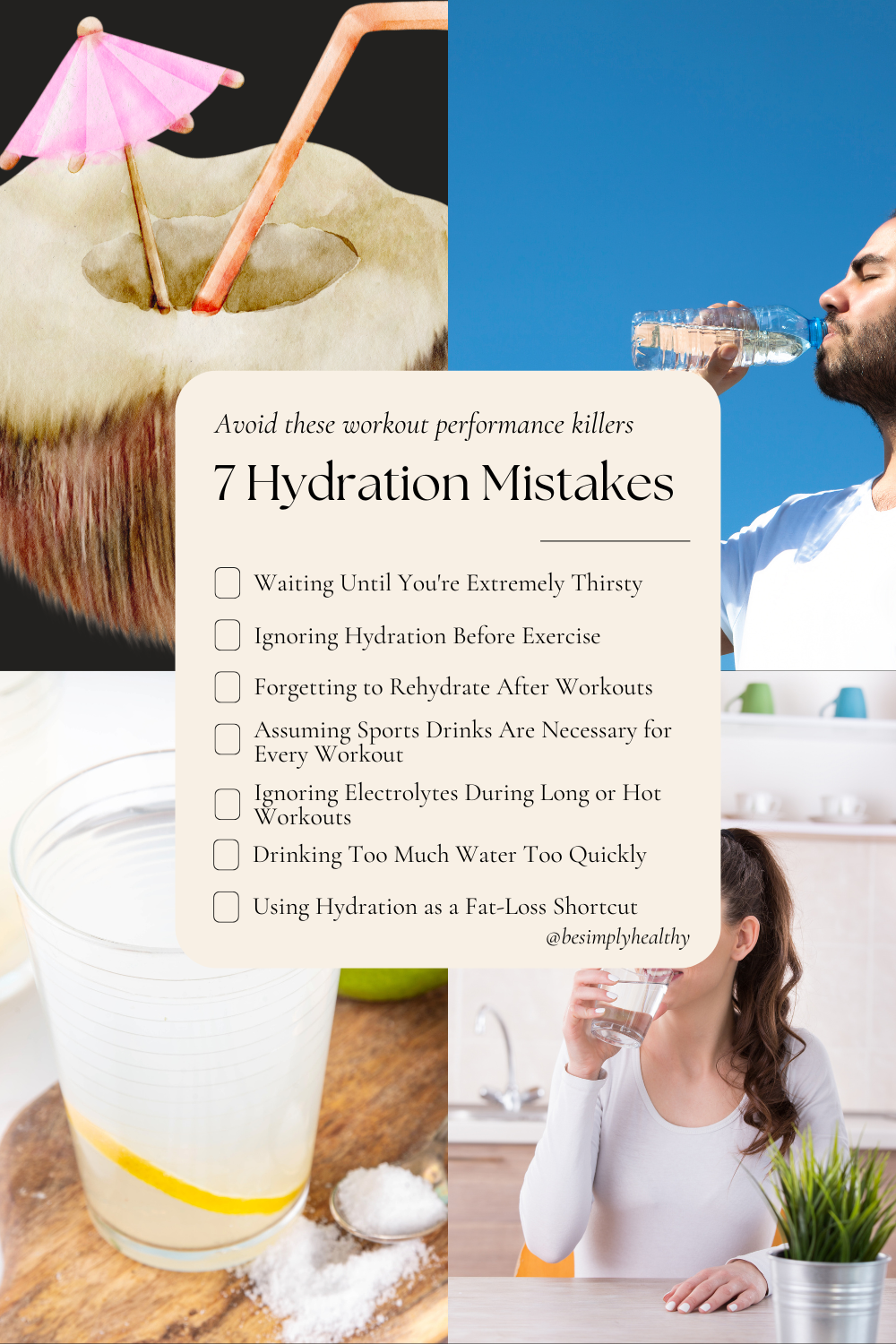
Myth 1: If You're Not Thirsty, You're Fully Hydrated
Reality:
Thirst is useful, but it is not always a perfect early-warning system.
Maintaining consistent hydration habits throughout the day is often more effective than waiting for strong thirst to appear.
Myth 2: More Water Is Always Better
Reality:
Hydration is about balance.
Drinking excessive amounts of water can also create problems.
More is not always better.
Myth 3: Sports Drinks Are Necessary for Every Workout
Reality:
Sports drinks can be useful in specific situations, but they are not required for every exercise session.
For many recreational exercisers, water is often sufficient for shorter workouts.
Sports drinks may become more beneficial when:
- •Exercise duration is long
- •Sweat losses are substantial
- •Training occurs in hot environments
- •Multiple training sessions occur in a single day
The best choice depends on the workout, environment, and individual needs.
Myth 4: Coffee Causes Severe Dehydration
Reality:
This myth persists despite evidence suggesting otherwise.
Research indicates that moderate coffee consumption can contribute to daily fluid intake for most healthy adults.
While caffeine can have a mild diuretic effect in some situations, moderate coffee intake does not appear to cause substantial dehydration in habitual consumers.
Myth 5: Clear Urine Is Always the Goal
Reality:
Urine color can provide useful information, but constantly aiming for completely clear urine is not necessary.
Pale yellow urine is often considered a practical sign of adequate hydration for many healthy adults.
Urine color can also be influenced by:
- •Vitamins
- •Medications
- •Foods
- •Medical conditions
Therefore, hydration should be evaluated using multiple indicators rather than a single measure.
How Much Water Do You Really Need?
One of the most searched hydration questions is:
"How much water should I drink every day?"
The answer is more complex than a single number.
Hydration needs vary based on:
- •Body size
- •Age
- •Sex
- •Activity level
- •Climate
- •Sweat rate
- •Diet
- •Health status
- •Medications
Because of these differences, no universal recommendation works for everyone.
General guidance often emphasizes paying attention to:
- •Thirst
- •Urine color
- •Physical activity levels
- •Environmental conditions
- •Overall well-being
rather than rigidly following a single fluid target.
Food Counts Toward Hydration
Many people assume hydration comes only from beverages.
In reality, foods can contribute meaningful amounts of water.
Examples include:
- •Watermelon
- •Strawberries
- •Oranges
- •Grapefruit
- •Cucumbers
- •Tomatoes
- •Lettuce
- •Celery
- •Zucchini
- •Soups
- •Yogurt
For many individuals, food contributes a significant portion of daily fluid intake.
Hydration Before Exercise
Preparation matters.
Beginning a workout well hydrated may support a more comfortable exercise experience than trying to compensate for fluid deficits during activity.
Drink Throughout the Day
The most effective pre-workout hydration strategy usually begins hours before exercise.
Rather than consuming large amounts of water immediately before a workout, focus on consistent fluid intake throughout the day.
Monitor Environmental Conditions
Exercise performed in:
- •Hot weather
- •Humid weather
- •Direct sunlight
often increases sweat losses.
These situations may require additional attention to hydration.
Consider Your Workout Type
Hydration needs differ between:
- •Strength training
- •Walking
- •Recreational sports
- •Endurance events
- •High-intensity interval training
Longer and more demanding sessions typically increase fluid requirements.
Hydration During Exercise
During activity, hydration strategies should match the demands of the workout.
Short Workouts
For many exercise sessions lasting less than about one hour, water is often sufficient.
Examples include:
- •Walking
- •Recreational cycling
- •General gym workouts
- •Moderate-intensity strength training
Longer Workouts
As duration increases, fluid and electrolyte needs may become more important.
Endurance athletes frequently use planned hydration strategies that include both water and electrolytes.
Listen to Your Body
Hydration needs vary.
Factors such as:
- •Sweat rate
- •Temperature
- •Humidity
- •Exercise intensity
all influence fluid requirements.
There is no single hydration strategy that works for everyone.
Hydration After Exercise
Post-workout hydration helps restore fluids lost through sweat.
Replace Lost Fluids Gradually
Rapid overconsumption of water is generally unnecessary.
A gradual approach is often more comfortable and practical.
Continue Normal Hydration Habits
Recovery extends beyond the first few minutes after exercise.
Maintaining consistent hydration throughout the remainder of the day helps support ongoing recovery.
Include Electrolytes When Appropriate
Following prolonged exercise or heavy sweating, electrolyte-containing foods or beverages may help restore losses.
Examples include:
- •Milk
- •Yogurt
- •Broth-based soups
- •Sports drinks
- •Fruits
- •Vegetables
Special Considerations for Hot Weather Exercise
Hot environments increase sweat losses.
This can make hydration especially important.
Signs of Heat Stress Can Overlap With Dehydration
Examples include:
- •Fatigue
- •Dizziness
- •Headaches
- •Reduced exercise tolerance
Because symptoms can overlap, exercisers should pay attention to environmental conditions and adjust accordingly.
Practical Hot Weather Tips
- •Exercise earlier or later in the day when possible
- •Wear breathable clothing
- •Carry fluids during activity
- •Seek shade when available
- •Adjust workout intensity if conditions become extreme
Hydration for Beginners Starting a Fat-Loss Journey
Many beginners begin exercising primarily for fat loss.
Hydration can support this process by helping establish healthy routines.
Focus on Consistency
Hydration should be viewed as a daily habit rather than a temporary challenge.
Small actions repeated consistently tend to produce better long-term results than aggressive short-term approaches.
Build a Simple Routine
Examples include:
- •Drinking water after waking
- •Having water with meals
- •Carrying a reusable bottle
- •Drinking during exercise as needed
Avoid Extreme Approaches
There is no need for:
- •Excessive water consumption
- •Expensive hydration products
- •Detox drinks
- •Cleanses
Simple hydration habits are usually sufficient for most healthy adults.
Hydration and Recovery
Recovery is influenced by multiple factors, including:
- •Sleep
- •Nutrition
- •Training load
- •Stress management
- •Hydration
No single factor guarantees recovery success.
However, hydration contributes to the overall recovery process and should be considered part of a comprehensive approach.
Hydration and Muscle Function
Muscles rely on fluid balance to function normally.
Maintaining hydration supports the physiological processes involved in movement and exercise.
Hydration and Sleep
Some people find that balancing hydration throughout the day helps prevent excessive thirst at night.
At the same time, consuming large amounts of fluids immediately before bed may disrupt sleep due to nighttime bathroom visits.
Balancing fluid intake throughout the day can help reduce this issue.
Practical Daily Hydration Checklist
If hydration feels overwhelming, start with a simple checklist.
Morning
- •Drink a glass of water after waking
- •Include hydrating foods at breakfast
Midday
- •Drink fluids with meals
- •Carry a reusable water bottle
Afternoon
- •Monitor thirst
- •Increase fluids if exercising later
Exercise
- •Drink according to workout demands and thirst
- •Adjust based on heat and sweat losses
Evening
- •Continue normal hydration habits
- •Avoid trying to consume an entire day's fluids at once
Internal Guides You May Also Find Helpful
To build a complete understanding of fitness, nutrition, and healthy weight management, explore these related resources:
Hydration for Weight Loss: What the Science Actually Says
Learn the difference between evidence-based hydration practices and common weight-loss myths.
Water vs Sports Drinks: Which Is Better?
Understand when plain water is enough and when electrolytes may provide additional benefits.
Signs of Dehydration During Exercise
Discover practical ways to recognize potential hydration challenges before they affect your workouts.
Beginner's Guide to Exercise Recovery
Learn how hydration, sleep, nutrition, and training work together to support recovery.
Sports Nutrition Fundamentals for Beginners
Explore the essential nutrition principles that support performance and long-term health.
Healthy Habits That Support Sustainable Fat Loss
Understand the evidence-based behaviors associated with long-term success.
Frequently Asked Questions
Does hydration improve athletic performance?
Hydration supports several systems involved in exercise, including temperature regulation, circulation, and normal muscle function. Maintaining hydration may help support workout comfort and physical performance.
Can dehydration affect exercise?
Fluid losses may make exercise feel more challenging, particularly during prolonged activity or hot-weather conditions.
Should I drink water before a workout?
Consistent hydration throughout the day is generally recommended. Starting exercise hydrated may support a more comfortable workout experience.
Are sports drinks necessary?
Not always. Water is often sufficient for many shorter workouts. Electrolyte-containing beverages may become more useful during prolonged activity, endurance exercise, or heavy sweating.
Can hydration help with weight loss?
Hydration supports healthy habits and exercise participation but is not a standalone fat-loss strategy.
What are electrolytes?
Electrolytes are minerals such as sodium, potassium, magnesium, and calcium that help regulate fluid balance and support normal muscle and nerve function.
Is thirst a reliable hydration guide?
Thirst is useful, but it should be considered alongside other factors such as activity level, environmental conditions, urine color, and overall well-being.
What foods help with hydration?
Many fruits and vegetables contain substantial amounts of water, including watermelon, cucumbers, strawberries, oranges, and lettuce.
Evidence-Based Takeaways
Hydration is a foundational component of athletic performance, exercise comfort, recovery, and overall health.
The science is clear on several points:
- •Water plays a vital role in normal physiological function.
- •Physical activity increases fluid needs.
- •Sweat losses vary significantly between individuals.
- •Water is often sufficient for many shorter workouts.
- •Electrolytes become increasingly important during prolonged activity and heavy sweating.
- •Hydration supports healthy habits but is not a magic fat-loss solution.
- •Consistent daily habits are generally more effective than extreme hydration strategies.
Most importantly, hydration does not need to be complicated.
Simple, sustainable habits often provide the greatest long-term benefit. ## Conclusion
Hydration is one of the simplest habits that can support exercise performance, workout comfort, recovery, and long-term health.
While hydration is often overshadowed by discussions about supplements, workout programs, and advanced nutrition strategies, the evidence consistently shows that maintaining appropriate fluid intake is an important part of supporting physical activity.
For most healthy adults, the fundamentals are straightforward:
- •Drink fluids consistently throughout the day.
- •Begin exercise hydrated.
- •Replace fluids lost through sweating.
- •Adjust hydration habits based on activity level and environmental conditions.
- •Consider electrolytes when exercise duration and sweat losses increase.
- •Focus on sustainable habits rather than extreme hydration challenges.
Hydration is not a shortcut to fat loss, a replacement for good nutrition, or a magic solution for athletic performance. However, it supports many of the systems that help the body perform, recover, and function effectively.
The goal is not perfection.
The goal is consistency.
Small hydration habits practiced daily are often more valuable than complicated strategies followed occasionally.
If you're working toward better fitness, improved workout quality, sustainable fat loss, or healthier lifestyle habits, hydration deserves a permanent place in your routine.
Next Steps
If you found this guide helpful, continue building your evidence-based fitness knowledge with our related resources:
- •Hydration for Weight Loss: Separating Fact from Fiction
- •Water vs Sports Drinks: What Most Beginners Get Wrong
- •Beginner's Guide to Sports Nutrition
- •Exercise Recovery Fundamentals
- •Healthy Habits for Sustainable Fat Loss
- •Signs of Dehydration During Exercise
- •Electrolytes Explained
These resources will help you create a complete foundation for long-term health and performance.
Read the complete guide library on our website for more science-backed strategies.
Comments (0)
Share your thoughts and experiences
No comments yet. Be the first to share your thoughts!