Healthy High-Protein Snack Ideas: Evidence-Based Options That Keep You Full
Discover healthy high-protein snack ideas that support fullness, muscle health, and balanced eating. Learn how to choose satisfying, nutrient-dense snacks with science-backed recommendations.
Click a star to rate
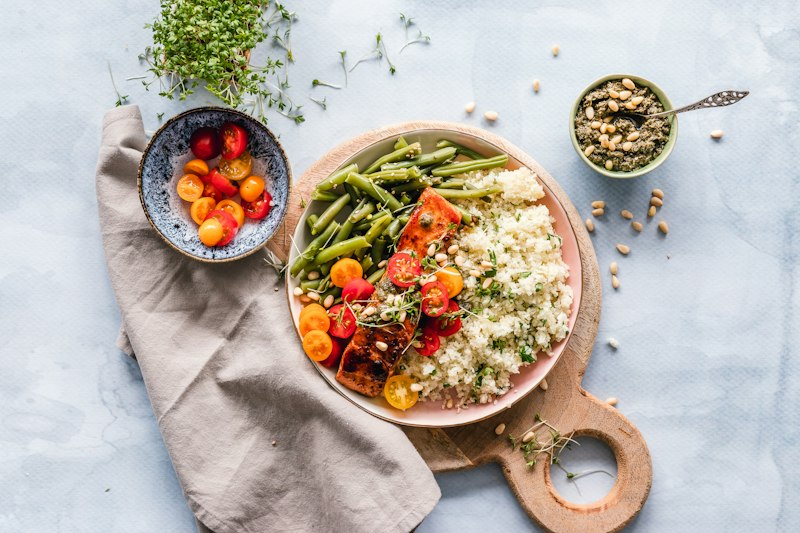
Finding healthy snacks that are both satisfying and nutritious can be challenging, especially when busy schedules make convenience a priority.
High-protein snacks can help bridge the gap between meals, support muscle maintenance, and make it easier to meet daily protein needs. Many protein-rich foods also provide vitamins, minerals, healthy fats, and other nutrients that contribute to overall health.
Rather than relying on highly processed snack foods, choosing minimally processed, protein-rich options can improve diet quality while helping you stay energized throughout the day.
Why Protein Matters
Protein is one of the three major macronutrients your body needs every day.
It plays an important role in:
- •Building and repairing muscles
- •Producing enzymes and hormones
- •Supporting immune function
- •Maintaining healthy skin, hair, and nails
- •Promoting satiety after meals
Research suggests that including adequate protein throughout the day may help people feel fuller for longer, making balanced eating patterns easier to maintain.
Benefits of High-Protein Snacks
Choosing protein-rich snacks offers several potential advantages.
Helps You Stay Full Longer
Protein slows digestion compared with many refined carbohydrates, helping reduce hunger between meals.
A satisfying snack may also make it easier to avoid overeating later in the day.
Supports Muscle Health
Protein provides amino acids that help repair and maintain muscle tissue.
This is especially important for people who exercise regularly, older adults, or anyone working to preserve lean body mass during weight loss.
Helps Meet Daily Protein Needs
Many people focus on protein at lunch or dinner but consume very little earlier in the day.
Including protein-rich snacks can make reaching daily protein goals easier.
Provides Steady Energy
Pairing protein with fiber-rich carbohydrates or healthy fats can promote more stable energy than snacks made mostly from refined sugar.
What Makes a Healthy High-Protein Snack?
The healthiest options usually combine protein with other nutritious ingredients.
Look for snacks that contain:
- •High-quality protein
- •Fiber-rich foods
- •Healthy fats when appropriate
- •Minimal added sugar
- •Reasonable sodium levels
- •Whole-food ingredients whenever possible
Reading nutrition labels can help identify products with a favorable balance of nutrients.
Healthy High-Protein Snack Ideas
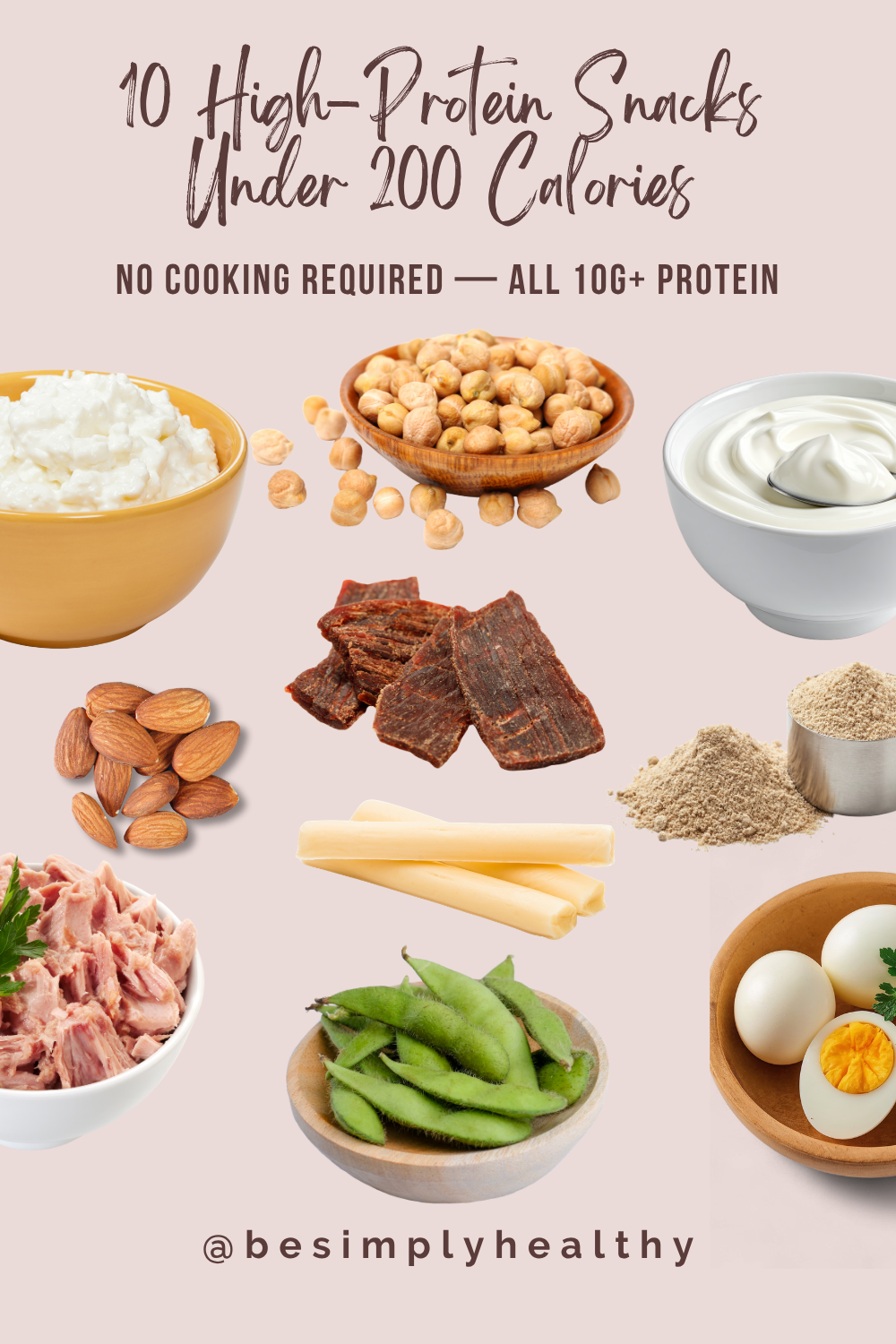
1. Greek Yogurt with Berries
Protein: Approximately 15–20 grams per serving
Benefits:
- •Rich in complete protein
- •Provides calcium
- •Contains probiotics in many varieties
- •Pairs well with fiber-rich fruit
Ideas:
- •Top with blueberries
- •Add raspberries
- •Sprinkle chia seeds
- •Add cinnamon for extra flavor
2. Cottage Cheese with Fruit
Protein: Approximately 12–15 grams per serving
Benefits:
- •High-quality dairy protein
- •Rich in calcium
- •Easy to prepare
- •Naturally filling
Good pairings include peaches, pineapple, berries, or sliced tomatoes for a savory option.
3. Hard-Boiled Eggs
Protein: About 6 grams per egg
Benefits:
- •Portable
- •Affordable
- •Rich in vitamins and minerals
- •Convenient for meal prep
Pair with vegetables or whole-grain crackers for a more balanced snack.
4. Roasted Chickpeas
Protein: Approximately 6–7 grams per serving
Benefits:
- •Plant-based protein
- •High in fiber
- •Crunchy alternative to chips
- •Budget-friendly
Season with paprika, garlic powder, or Italian herbs for variety.
5. Edamame
Protein: Around 17 grams per cooked cup
Benefits:
- •Complete plant protein
- •Rich in fiber
- •Good source of iron
- •Contains beneficial plant compounds
Serve warm or chilled with a light sprinkle of sea salt.
6. Tuna with Whole-Grain Crackers
Protein: Approximately 20 grams per serving
Benefits:
- •Lean protein
- •Convenient shelf-stable option
- •Rich in nutrients including selenium
Choose lower-sodium varieties when possible.
7. Turkey Roll-Ups
Protein: Approximately 12–18 grams depending on portion
Benefits:
- •Lean protein
- •Quick to prepare
- •Low in carbohydrates
- •Easy to customize
Wrap turkey slices around cucumber sticks, bell peppers, or avocado slices.
8. Protein Smoothie
Protein: Approximately 20–30 grams depending on ingredients
Benefits:
- •Convenient after workouts
- •Easy to customize
- •Can include fruits, vegetables, and healthy fats
Blend milk or fortified soy beverage with Greek yogurt, frozen berries, spinach, and nut butter for a balanced option.
9. Hummus with Vegetables
Protein: Approximately 5–8 grams per serving
Benefits:
- •Plant-based protein
- •Rich in fiber
- •Encourages vegetable intake
- •Heart-healthy ingredients
Carrots, cucumbers, celery, and bell peppers all pair well with hummus.
10. Mixed Nuts
Protein: Approximately 6 grams per ounce
Benefits:
- •Protein and healthy fats
- •Portable
- •Rich in magnesium and vitamin E
- •Satisfying texture
Because nuts are energy-dense, enjoy moderate portions as part of a balanced eating pattern. ### 11. String Cheese
Protein: Approximately 6–8 grams per stick
Benefits:
- •Convenient single-serving snack
- •Good source of calcium
- •Portable for work or travel
- •Pairs well with fruit
Enjoy with an apple or pear for extra fiber and lasting fullness.
12. Unsalted Dry-Roasted Soy Nuts
Protein: Approximately 14 grams per serving
Benefits:
- •High-protein plant snack
- •Rich in fiber
- •Shelf-stable
- •Crunchy and satisfying
Choose lightly seasoned varieties with minimal added sodium.
How Much Protein Do You Need?
Daily protein needs vary depending on age, body size, activity level, and health goals.
General recommendations for healthy adults are about:
- •0.8 grams of protein per kilogram of body weight as the minimum daily requirement.
- •Higher intakes may benefit older adults, highly active individuals, and people trying to preserve muscle during weight loss.
Rather than consuming most protein at dinner, many experts recommend spreading protein intake across meals and snacks throughout the day.
Tips for Choosing Better Protein Snacks
Prioritize Whole Foods
Whenever possible, choose foods that naturally contain protein instead of relying exclusively on processed snack products.
Examples include:
- •Greek yogurt
- •Eggs
- •Cottage cheese
- •Edamame
- •Beans
- •Nuts
- •Seeds
Pair Protein with Fiber
Combining protein with fiber-rich foods can increase satisfaction and improve overall diet quality.
Examples include:
- •Greek yogurt with berries
- •Cottage cheese with peaches
- •Hummus with vegetables
- •Apple slices with peanut butter
- •Tuna with whole-grain crackers
Watch Added Sugar
Some snack bars and flavored yogurts contain significant amounts of added sugar.
Compare nutrition labels and choose products with less added sugar whenever practical.
Pay Attention to Sodium
Packaged meats, jerky, cheese snacks, and convenience foods can be high in sodium.
Choosing lower-sodium versions may better support long-term heart health.
Keep Portions Realistic
Even nutritious snacks contribute calories.
A snack should help satisfy hunger—not replace a balanced meal unless that is your specific intention.
Common High-Protein Snack Myths
Myth 1: Only Athletes Need High Protein
Reality:
Protein is essential for everyone. It supports muscles, bones, immune function, tissue repair, and many normal body processes regardless of fitness level.
Myth 2: Protein Bars Are Always Healthy
Reality:
Some protein bars provide useful nutrition, while others contain large amounts of added sugar, saturated fat, or highly processed ingredients.
Reading the nutrition label is important.
Myth 3: More Protein Is Always Better
Reality:
Adequate protein is beneficial, but extremely high intakes offer little additional benefit for most healthy adults.
A balanced eating pattern that includes fruits, vegetables, whole grains, healthy fats, and protein-rich foods remains the best approach.
Sample High-Protein Snack Plan
Morning Snack
Greek yogurt with blueberries and chia seeds
Afternoon Snack
Hard-boiled egg with baby carrots
Post-Workout Snack
Protein smoothie made with milk, Greek yogurt, berries, and spinach
Evening Snack
Cottage cheese with sliced peaches
This combination provides protein from a variety of animal and plant sources while also supplying fiber, vitamins, and minerals.
Frequently Asked Questions
What is the healthiest high-protein snack?
There isn't one single best option. Greek yogurt, cottage cheese, eggs, edamame, roasted chickpeas, tuna, nuts, and hummus with vegetables are all excellent choices depending on your dietary preferences.
Can high-protein snacks help with weight loss?
Protein can increase fullness and help people maintain satisfying eating patterns. While no single food causes weight loss, protein-rich snacks may support healthy weight management when included in a balanced calorie intake.
Are plant-based protein snacks effective?
Yes. Foods such as edamame, roasted chickpeas, soy nuts, hummus, beans, lentils, and certain nuts provide meaningful amounts of protein and additional fiber.
Should I eat a protein snack before or after exercise?
Either can be appropriate depending on your schedule. Many people benefit from eating protein within a few hours after exercise to support muscle recovery.
Is it okay to snack every day?
Snacking can fit into a healthy eating pattern when it helps manage hunger and includes nutrient-dense foods instead of highly processed convenience snacks.
Conclusion
Healthy high-protein snacks can make it easier to stay satisfied between meals while supporting muscle health, balanced nutrition, and overall well-being.
Choosing minimally processed foods such as Greek yogurt, cottage cheese, eggs, edamame, roasted chickpeas, tuna, nuts, and hummus provides far more than protein alone. These foods also deliver important vitamins, minerals, healthy fats, and fiber that contribute to long-term health.
Instead of searching for the perfect snack, build a routine around a variety of nutrient-dense protein sources. Small, consistent choices often have a greater impact than following restrictive eating trends, making healthy eating more enjoyable and sustainable over time.
Comments (0)
Share your thoughts and experiences
No comments yet. Be the first to share your thoughts!