
Gut-Brain Connection Explained: How Your Gut May Influence Cravings, Hunger, and Healthy Eating Habits
Learn how the gut-brain connection works, how the gut microbiome communicates with the brain, and what science says about cravings, appetite, stress, digestion, and healthy eating habits.
Click a star to rate
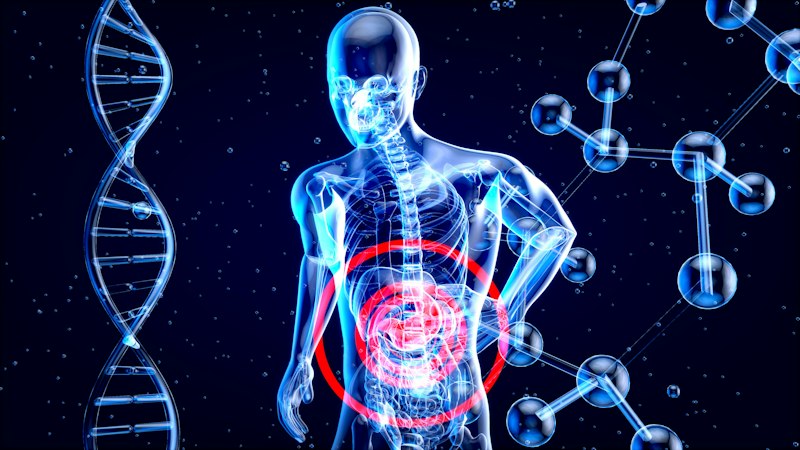
The gut and brain are connected through a complex communication network that researchers call the gut-brain axis.
For many years, digestion and brain function were often discussed as separate topics. Modern research has shown that the digestive system and brain communicate constantly through nerves, hormones, immune signals, and the gut microbiome.
This communication helps explain why stress can affect digestion, why digestive discomfort may influence mood, and why researchers are increasingly interested in the role of gut health in appetite regulation and healthy eating habits.
While the gut-brain connection is a rapidly evolving area of research, current evidence suggests that supporting digestive health may contribute to overall wellness and healthier lifestyle patterns.
Rather than focusing on quick fixes, understanding the gut-brain connection can help people make more informed decisions about nutrition, sleep, stress management, and long-term health behaviors.
What Is the Gut-Brain Connection?
The gut-brain connection refers to the ongoing communication between the digestive system and the brain.
This communication occurs continuously throughout the day and influences numerous bodily functions.
Examples include:
- •Hunger signals
- •Feelings of fullness
- •Digestive activity
- •Stress responses
- •Food preferences
- •Emotional responses related to eating
The relationship works in both directions.
The brain can influence digestive function through stress and emotional responses, while the digestive system can send signals back to the brain through several biological pathways.
This two-way communication is one reason researchers increasingly view gut health as an important component of overall health.
What Is the Gut-Brain Axis?
The gut-brain axis is the scientific term used to describe the communication network connecting the digestive system and the brain.
This network involves multiple systems working together rather than a single pathway.
Key components include:
The Nervous System
The nervous system provides direct communication between the digestive tract and the brain.
Signals constantly travel in both directions, allowing the body to coordinate digestion, appetite, and numerous other functions.
Hormonal Communication
Hormones help regulate hunger, fullness, and energy balance.
Various hormones produced throughout the digestive system help communicate information about food intake and digestive activity.
Immune System Signaling
The digestive tract contains a large portion of the body's immune activity.
Immune-related signals may influence communication between the gut and the brain.
The Gut Microbiome
The gut microbiome consists of trillions of microorganisms that live throughout the digestive tract.
Researchers continue studying how these microbes influence communication within the gut-brain axis and contribute to overall health.
Together, these systems create a highly interconnected communication network that helps the body respond to both internal and external factors.
How the Gut Communicates With the Brain
Communication between the gut and brain occurs through multiple pathways simultaneously.
Neural Pathways
Specialized nerves help carry information between the digestive system and the brain.
One of the most frequently discussed pathways is the vagus nerve, which serves as a major communication route connecting the brain and internal organs.
Through these pathways, the brain receives information about digestive activity, nutrient intake, and internal physiological conditions.
Chemical Messengers
The body uses chemical messengers to transfer information throughout various systems.
These signals help coordinate digestion, metabolism, appetite regulation, and numerous other processes.
Microbial Activity
Gut microorganisms interact with food components and produce various compounds during digestion.
Researchers continue exploring how these microbial byproducts may influence communication within the gut-brain axis.
Stress Responses
The gut and brain also communicate during periods of stress.
Many people experience digestive symptoms during stressful situations, demonstrating how closely connected these systems can be.
Examples include:
- •Changes in appetite
- •Digestive discomfort
- •Altered eating patterns
- •Changes in bowel habits
These experiences illustrate the bidirectional nature of the gut-brain connection.
Why Researchers Are Interested in the Gut-Brain Connection
Interest in the gut-brain connection has grown significantly over the past decade.
Researchers are investigating how communication between the digestive system and brain may influence:
- •Appetite regulation
- •Eating behaviors
- •Digestive health
- •Stress responses
- •Sleep quality
- •Overall wellness
Although many questions remain unanswered, the growing body of research highlights the importance of viewing health as an interconnected system rather than a collection of isolated parts.
The gut-brain connection demonstrates that nutrition, digestion, sleep, stress management, and lifestyle habits often influence one another in meaningful ways. ## The Gut Microbiome and Gut Health
One of the most discussed components of the gut-brain connection is the gut microbiome.
The gut microbiome refers to the trillions of microorganisms that live within the digestive tract.
These microorganisms include:
- •Bacteria
- •Fungi
- •Viruses
- •Other microbes
Most of these organisms are harmless, and many play important roles in supporting normal digestive function.
Researchers continue studying how the microbiome interacts with nutrition, digestion, immune function, and communication within the gut-brain axis.
Why Microbiome Diversity Matters
A diverse microbiome is generally considered a positive indicator of gut health.
Different microorganisms perform different functions.
A varied diet that includes a wide range of plant foods may help support microbiome diversity.
Examples include:
- •Vegetables
- •Fruits
- •Legumes
- •Whole grains
- •Nuts
- •Seeds
These foods provide nutrients and fibers that beneficial bacteria can utilize.
Fiber and the Microbiome
Certain types of dietary fiber act as prebiotics.
Prebiotics serve as food sources for beneficial gut bacteria.
When bacteria break down these fibers, they produce compounds that researchers believe may contribute to digestive and metabolic health.
Because of this relationship, fiber-rich foods are often recommended as part of a gut-friendly eating pattern.
The Gut-Brain Connection and Appetite Regulation
One reason the gut-brain connection receives significant attention is its potential role in appetite regulation.
Eating behavior is influenced by many factors, including:
- •Hunger
- •Fullness
- •Food availability
- •Stress
- •Sleep quality
- •Social environments
- •Personal habits
The digestive system contributes to this process by sending information to the brain regarding food intake and digestive activity.
Hunger Signals
The body uses numerous signals to communicate hunger.
These signals help encourage food intake when energy is needed.
Hunger is influenced by far more than simple willpower.
Physiological factors play important roles in determining when and how often people feel hungry.
Fullness Signals
The digestive system also helps communicate fullness after eating.
Meal size, food composition, and digestion all contribute to satiety signals.
Foods rich in fiber and protein are often associated with increased fullness compared to highly processed foods that digest quickly.
Cravings and Food Choices
Food cravings are complex and influenced by many factors.
Potential influences include:
- •Sleep quality
- •Stress levels
- •Dietary habits
- •Food environment
- •Emotional state
- •Learned behaviors
Researchers continue studying how gut-related signals may contribute to food preferences and eating behavior.
However, cravings should not be viewed as being caused by a single factor.
Stress and Digestion
Stress provides one of the clearest examples of the gut-brain connection in everyday life.
Most people have experienced digestive changes during periods of stress.
Examples may include:
- •Reduced appetite
- •Increased appetite
- •Stomach discomfort
- •Changes in digestion
- •Altered bowel habits
These responses occur because communication between the brain and digestive system changes during stressful situations.
Acute Stress
Short-term stress often produces temporary digestive effects.
Examples include:
- •Nervous stomach before an exam
- •Reduced appetite before a presentation
- •Digestive discomfort during high-pressure situations
These responses are generally short-lived.
Chronic Stress
Long-term stress may influence health behaviors more significantly.
Chronic stress can affect:
- •Food choices
- •Meal patterns
- •Sleep quality
- •Physical activity habits
Because these behaviors influence overall health, stress management is frequently discussed as part of a comprehensive wellness strategy.
Stress Management Strategies
Helpful approaches may include:
- •Regular physical activity
- •Relaxation techniques
- •Mindfulness practices
- •Social support
- •Adequate sleep
- •Time management strategies
While stress cannot be eliminated completely, managing stress effectively may support healthier lifestyle patterns.
Sleep and the Gut-Brain Connection
Sleep is another important factor that interacts with the gut-brain axis.
Although sleep and digestion may seem unrelated, researchers continue finding connections between sleep quality, appetite regulation, and eating behaviors.
Sleep and Hunger
Poor sleep may influence hormones involved in hunger and fullness.
Many individuals notice increased hunger following inadequate sleep.
Sleep deprivation may also affect food preferences and decision-making related to eating.
Sleep and Healthy Eating Habits
People who sleep poorly often report:
- •Increased cravings
- •Lower energy levels
- •Reduced motivation for meal preparation
- •Greater reliance on convenience foods
These effects may indirectly influence diet quality over time.
Supporting Better Sleep
Healthy sleep habits may include:
- •Maintaining a consistent sleep schedule
- •Limiting screen exposure before bedtime
- •Creating a comfortable sleep environment
- •Managing stress levels
- •Limiting excessive caffeine intake later in the day
Because sleep affects multiple aspects of health, improving sleep quality is often considered a foundational wellness habit.
Gut Health and Weight Management
The relationship between gut health and weight management has become an area of significant research interest.
However, it is important to maintain realistic expectations.
Improving gut health is not a magic solution for weight loss.
Weight management remains influenced by many factors, including:
- •Nutrition
- •Physical activity
- •Sleep
- •Stress
- •Genetics
- •Environment
- •Long-term habits
How Gut-Friendly Habits May Help
Many behaviors that support gut health also support healthy eating patterns.
Examples include:
- •Increasing fiber intake
- •Eating more fruits and vegetables
- •Consuming a wider variety of plant foods
- •Prioritizing sleep
- •Managing stress
- •Staying physically active
These habits may help create an environment that supports long-term healthy lifestyle changes. ## Practical Habits for Supporting the Gut-Brain Connection
Although researchers continue learning about the gut-brain axis, several evidence-based lifestyle habits consistently appear in recommendations for supporting digestive health and overall wellness.
Eat More Fiber-Rich Foods
Fiber supports digestive health and helps feed beneficial gut bacteria.
Examples include:
- •Vegetables
- •Fruits
- •Beans
- •Lentils
- •Whole grains
- •Nuts
- •Seeds
Increasing fiber gradually may help reduce digestive discomfort.
Include a Variety of Plant Foods
Different plant foods provide different nutrients and types of fiber.
A varied diet may help support microbiome diversity.
Stay Physically Active
Regular physical activity supports overall health and may contribute to healthy digestive function.
Activity does not need to be extreme.
Examples include:
- •Walking
- •Cycling
- •Swimming
- •Strength training
- •Recreational activities
Prioritize Sleep
Sleep affects numerous aspects of health, including appetite regulation and daily decision-making.
Consistent sleep habits can support healthier lifestyle patterns.
Manage Stress
Because stress influences both the brain and digestive system, stress-management practices may support overall wellness.
Examples include:
- •Meditation
- •Deep breathing
- •Exercise
- •Journaling
- •Spending time outdoors
Stay Hydrated
Adequate hydration supports digestion and overall body function.
Water intake becomes especially important when increasing fiber consumption.
Common Myths About the Gut-Brain Connection
Myth 1: Gut Health Determines Everything
Reality:
The gut-brain connection is important, but health outcomes are influenced by many factors including genetics, lifestyle, environment, nutrition, and healthcare access.
Myth 2: You Need Expensive Supplements
Reality:
Many gut-friendly habits involve basic lifestyle practices such as eating more fiber-rich foods, sleeping well, and managing stress.
Myth 3: Probiotics Solve Every Gut Problem
Reality:
Probiotics may be useful in certain situations, but they are not a universal solution.
Individual responses vary considerably.
Myth 4: One Food Can Fix Gut Health
Reality:
Gut health is generally influenced by long-term dietary patterns rather than individual foods.
Consistency matters more than isolated nutrition choices.
Myth 5: Gut Health Changes Overnight
Reality:
Meaningful changes in eating habits and lifestyle patterns typically occur gradually over time.
Sustainable approaches are often more effective than extreme interventions.
FAQ
What is the gut-brain connection?
The gut-brain connection refers to the ongoing communication between the digestive system and the brain through nerves, hormones, immune signals, and the gut microbiome.
What is the gut-brain axis?
The gut-brain axis is the communication network that connects the digestive system and the brain.
Can gut health affect cravings?
Researchers continue studying how gut-related signals influence appetite regulation and eating behavior. Cravings are complex and influenced by many factors including sleep, stress, environment, and dietary habits.
How can I support gut health naturally?
Common recommendations include eating more fiber-rich foods, consuming a variety of plant foods, staying active, managing stress, prioritizing sleep, and maintaining adequate hydration.
What foods support gut health?
Foods commonly associated with gut health include:
- •Vegetables
- •Fruits
- •Legumes
- •Whole grains
- •Nuts
- •Seeds
Does improving gut health cause weight loss?
Improving gut health alone is not a guaranteed weight-loss strategy. However, many gut-friendly habits align with healthy eating patterns that may support long-term weight management goals.
Conclusion
The gut-brain connection highlights the remarkable communication that occurs between the digestive system and the brain.
Researchers continue investigating how nerves, hormones, immune signals, and the gut microbiome interact within this complex system.
Although many questions remain, current evidence supports the importance of foundational health habits such as consuming fiber-rich foods, maintaining a varied diet, prioritizing sleep, managing stress, staying physically active, and remaining adequately hydrated.
Rather than searching for quick fixes, focusing on sustainable lifestyle habits may provide the strongest foundation for supporting digestive health, overall wellness, and healthy eating patterns over the long term.
Comments (0)
Share your thoughts and experiences
No comments yet. Be the first to share your thoughts!