
Grip Strength and Healthy Aging: What Your Hand Strength Says About Your Body
Discover what your grip strength reveals about your health, longevity, and fitness. Learn the science behind grip strength and healthy aging, plus beginner-friendly exercises to improve it at home.
Click a star to rate
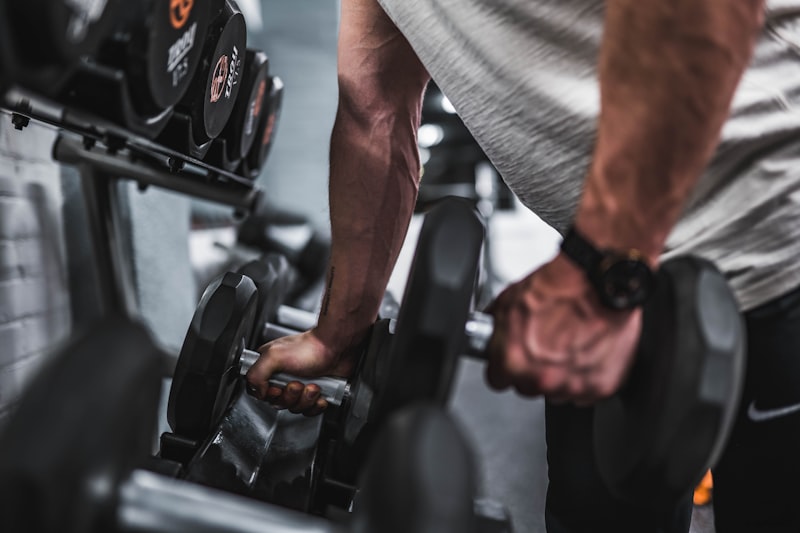
Your grip strength might be one of the most important numbers you've never measured.
It sounds simple — how hard can you squeeze? But researchers and clinicians have spent decades studying this one measurement. What they found is striking.
The strength in your hands may reflect the overall health of your muscles, your heart, your metabolism, and even how long you are likely to live.
This is not a niche fitness metric. It is a practical, measurable window into how well your body is aging.
If you have ever struggled to open a jar, noticed your hands feel weaker than they used to, or simply want to understand what your fitness levels really mean for your long-term health — this guide is for you.
What Is Grip Strength and Why Does It Matter?
Grip strength is the amount of force your hand and forearm muscles can generate when squeezing.
It is typically measured using a tool called a hand dynamometer, which gives a reading in kilograms or pounds.
In clinical settings, grip strength has been used for decades as a quick, low-cost way to assess a patient's overall physical condition and muscle health.
But its importance goes far beyond just the hand.
Grip Strength as a Whole-Body Health Marker
Your grip engages muscles, tendons, nerves, and connective tissue throughout your forearm, wrist, and hand.
Because these muscles are representative of your overall skeletal muscle quality, grip strength has become one of the most studied biomarkers in aging research.
Large-scale population studies — including data published in journals such as The Lancet and the British Medical Journal — have consistently shown that grip strength is associated with broader measures of health, including cardiovascular function, metabolic health, and physical independence.
Think of it less as a hand metric and more as a snapshot of your body's overall muscular fitness.
The Science Behind Grip Strength and Longevity
The research linking grip strength to long-term health outcomes is some of the most consistent in exercise science.
Grip Strength and Cardiovascular Health
One of the most cited studies in this area is the PURE study (Prospective Urban Rural Epidemiology), a large multinational cohort study involving over 139,000 adults across 17 countries.
Researchers found that for every 5-kilogram decrease in grip strength, there was an associated increase in the risk of cardiovascular mortality and stroke.
It is important to note that studies like these show association, not direct causation. Grip strength appears to reflect the overall health of the cardiovascular and muscular systems rather than directly causing heart outcomes.
Grip Strength and All-Cause Mortality
Multiple systematic reviews and meta-analyses — which are among the highest levels of evidence in research — have found that lower grip strength is consistently associated with higher all-cause mortality risk in older adults.
A 2018 systematic review published in the Journal of Cachexia, Sarcopenia and Muscle analyzed data from dozens of studies and concluded that grip strength is a reliable predictor of functional decline and mortality in aging populations.
Again, association does not equal causation. But the consistency of findings across different populations and study designs makes grip strength one of the most reliable predictors researchers have identified.
Grip Strength and Muscle Mass
Grip strength is closely linked to the amount of lean muscle mass you carry throughout your body.
As we age, the body naturally loses muscle mass — a process called sarcopenia.
Sarcopenia typically accelerates after age 30 and becomes more pronounced after 50 if not actively countered through resistance training and adequate protein intake.
Grip strength declines in parallel with this muscle loss, which is why it serves as such a useful marker.
Grip Strength and Metabolic Health
Muscle tissue is metabolically active. It plays a major role in how your body processes glucose and manages energy.
Research has shown associations between lower grip strength and higher rates of insulin resistance, type 2 diabetes risk, and unfavorable body composition.
For people focused on fat loss, this connection is particularly relevant. Preserving and building lean muscle mass improves metabolic rate and supports long-term body composition goals.
Why Grip Strength Declines With Age
Understanding why grip strength decreases helps clarify what can be done about it.
Sarcopenia: The Silent Muscle Loss
After approximately age 30, adults begin to lose a small percentage of muscle mass each decade if they are not actively training.
This process is driven by several factors:
- •Hormonal changes including declining testosterone and growth hormone
- •Reduced physical activity levels
- •Inadequate protein intake
- •Neurological changes that affect how muscles are activated
- •Chronic low-grade inflammation associated with aging
Grip strength reflects these changes in real time.
Reduced Physical Activity
Modern lifestyles require far less grip-intensive work than previous generations.
Tasks like carrying, climbing, lifting, and manual labor have been replaced by sedentary work and passive leisure.
Without regular demands on the grip muscles, they weaken through disuse — just like any other muscle in the body.
Inadequate Protein Intake
Muscle protein synthesis — the process by which your body builds and repairs muscle — requires adequate dietary protein.
Many adults, especially older adults focused on reducing calorie intake for fat loss, unintentionally consume too little protein to maintain muscle mass.
The American College of Sports Medicine and other major organizations recommend higher protein intakes for older adults who are physically active or trying to preserve muscle during a calorie deficit.
What Is a Healthy Grip Strength for Your Age?
Grip strength norms vary by age, sex, and body size.
General reference ranges based on population data from tools such as the NHANES (National Health and Nutrition Examination Survey) provide approximate benchmarks:
Approximate Grip Strength Reference Ranges
#### Women
- •Ages 20–29: approximately 28–38 kg
- •Ages 30–39: approximately 28–37 kg
- •Ages 40–49: approximately 26–35 kg
- •Ages 50–59: approximately 23–32 kg
- •Ages 60–69: approximately 19–28 kg
- •Ages 70+: approximately 16–24 kg
#### Men
- •Ages 20–29: approximately 45–58 kg
- •Ages 30–39: approximately 45–58 kg
- •Ages 40–49: approximately 42–56 kg
- •Ages 50–59: approximately 38–52 kg
- •Ages 60–69: approximately 33–46 kg
- •Ages 70+: approximately 26–40 kg
These are general population averages and reference ranges, not diagnostic cutoffs. Individual variation is significant.
If you are concerned about your grip strength relative to your health, speak with a qualified healthcare provider or physical therapist for a proper assessment.
Clinical Thresholds
Some clinical guidelines, including those from the European Working Group on Sarcopenia in Older People (EWGSOP), suggest that grip strength below approximately 16 kg in women and 27 kg in men may warrant further evaluation for sarcopenia.
Again, these are screening thresholds intended to be interpreted by healthcare professionals alongside other assessments.
How to Test Your Grip Strength at Home
You do not need a clinical dynamometer to get a rough sense of where you stand.
Option 1: Hand Dynamometer
A hand dynamometer is the most accurate option. Affordable models are widely available online, often ranging from $20 to $60.
To test:
- Sit in a chair with your elbow bent at 90 degrees
- Hold the dynamometer with your dominant hand
- Squeeze as hard as possible for 3 seconds
- Record the reading
- Repeat 3 times and take the average
- Test the non-dominant hand as well
Option 2: The Jar Test
A simple functional self-assessment:
- •Attempt to open a tight jar lid without assistance
- •Notice whether it feels significantly harder than it used to
While not a numerical measurement, this simple test reflects functional grip in everyday life.
Option 3: Dead Hang Test
If you have access to a pull-up bar or a sturdy overhead bar:
- •Hang with both hands for as long as possible
- •A 30-second hang is generally considered a reasonable baseline for most healthy adults under 50
- •Beginners may find even 10 seconds challenging, which is a useful starting point
Grip Strength and Fat Loss: The Connection You Might Be Missing
If your primary goal is fat loss, grip strength may seem unrelated.
But the connection is more direct than most people realize.
Muscle Mass Drives Metabolism
Lean muscle mass is the largest driver of your resting metabolic rate — how many calories your body burns at rest.
More muscle means a higher baseline calorie burn throughout the day.
When people lose weight primarily through calorie restriction without resistance training, a significant portion of the weight lost can come from muscle rather than fat.
This is sometimes called "skinny fat" — lower body weight but a higher proportion of body fat and less functional muscle.
Grip strength, as a reflection of overall muscle quality, often declines when this pattern occurs.
Resistance Training Protects Muscle During Fat Loss
Multiple randomized controlled trials and meta-analyses support incorporating resistance training during a calorie deficit to preserve lean muscle mass.
This means you can lose body fat while maintaining or even improving grip strength and overall muscular fitness.
Beginner-friendly resistance training does not require a gym. Bodyweight exercises, resistance bands, and basic free weights are all effective tools.
Grip-Intensive Exercise Burns Calories Too
Exercises that challenge your grip — such as farmer's carries, rowing movements, and pull-up variations — tend to be compound movements that engage multiple muscle groups simultaneously.
These multi-joint exercises are among the most efficient for calorie burn and muscle development, making them excellent additions to a fat loss program.
Busting the Biggest Myths About Grip Strength and Aging
Myth 1: Weak Grip Is Just a Normal Part of Getting Older
Reality:
While some decline in grip strength with age is expected, significant weakness is not inevitable.
Research shows that adults who engage in regular resistance training maintain substantially higher grip strength and muscle mass into their 60s, 70s, and beyond compared to sedentary peers.
Decline is influenced heavily by lifestyle, not just biology.
Myth 2: Grip Strength Only Matters for Athletes
Reality:
Grip strength matters for everyday activities — carrying groceries, opening containers, climbing stairs, getting up from a chair, and maintaining balance.
Poor grip strength in older adults is associated with higher fall risk, reduced independence, and longer hospital recovery times.
This is a quality-of-life issue, not just a performance metric.
Myth 3: You Need Special Equipment to Build Grip Strength
Reality:
While grip trainers and resistance tools are helpful, many effective grip exercises require nothing more than a towel, a water bottle, or your own body weight.
The key is consistency and progressive challenge, not expensive equipment.
Myth 4: Cardio Is Enough to Stay Healthy as You Age
Reality:
Cardiovascular fitness and muscular fitness are both important for healthy aging, but they address different systems.
Cardio improves heart and lung function. Resistance training builds and preserves muscle mass, bone density, and functional strength.
The World Health Organization and the American College of Sports Medicine both recommend combining aerobic and muscle-strengthening activities for comprehensive health benefits in adults of all ages.
Myth 5: It Is Too Late to Build Strength After 50
Reality:
Research consistently shows that adults in their 50s, 60s, 70s, and even 80s can meaningfully improve muscle strength and grip strength through progressive resistance training.
A randomized controlled trial published in the Journal of the American Medical Association found that frail adults in their 80s and 90s in a nursing home setting were able to significantly increase muscle strength through a structured resistance training program.
It is never too late to start.
The Best Grip Strength Exercises for Beginners
You do not need a full gym setup to start improving your grip strength.
These beginner-friendly exercises can be performed at home with minimal equipment.
Start with 2 to 3 sessions per week on non-consecutive days.
1. Towel Squeeze
Equipment: Small towel or cloth
How to perform:
- Roll a small towel into a cylinder shape
- Hold it in one hand
- Squeeze as firmly as possible for 5 seconds
- Release and repeat 10 times per hand
- Rest and perform 2 to 3 sets
Why it works:
Directly trains the finger flexors and forearm muscles with zero equipment.
2. Plate Pinch
Equipment: Weight plates or a thick book
How to perform:
- Hold a weight plate (or a large hardcover book) between your thumb and fingers
- Hold for 20 to 30 seconds
- Switch hands
- Repeat 3 times per side
Why it works:
Targets thumb strength and pinch grip, which is often underdeveloped.
3. Farmer's Carry
Equipment: Two filled water jugs, grocery bags, or dumbbells
How to perform:
- Hold a weighted object in each hand at your sides
- Stand tall and walk forward for 20 to 30 meters
- Rest and repeat 3 to 4 times
Why it works:
One of the most functional grip exercises available. Also trains the core, upper back, and shoulders simultaneously.
4. Dead Hang
Equipment: A pull-up bar, a sturdy beam, or monkey bars
How to perform:
- Grip the bar with both hands
- Let your body hang freely
- Hold for as long as possible without straining
- Rest completely before repeating
- Aim for 2 to 3 attempts per session
Why it works:
Builds grip endurance and decompresses the spine as a bonus.
Beginners: start with 5 to 10 seconds and build gradually.
5. Wrist Curls
Equipment: Light dumbbell or filled water bottle
How to perform:
- Sit in a chair with your forearm resting on your thigh
- Hold the weight with your palm facing upward
- Slowly curl the wrist upward
- Lower slowly and repeat 12 to 15 times
- Perform 2 to 3 sets per side
Why it works:
Isolates the forearm flexors and builds wrist stability.
6. Reverse Wrist Curls
Same as above but with the palm facing downward.
This trains the forearm extensors, which are often neglected and important for joint balance.
7. Resistance Band Finger Extension
Equipment: A rubber band or finger resistance band
How to perform:
- Place a rubber band around all five fingers
- Spread your fingers apart against the resistance
- Slowly return
- Repeat 15 to 20 times per hand
- Perform 2 to 3 sets
Why it works:
Most grip exercises focus on closing the fingers. This one trains the opening muscles, which is important for balance and injury prevention.
8. Carry-Based Activities
One of the simplest ways to build grip strength in daily life:
- •Carry your own groceries without using a cart
- •Carry water jugs with a full hand grip rather than hooking with fingers
- •Opt for stairs while holding a bag
- •Carry a loaded backpack on walks
These lifestyle-based approaches accumulate grip training without requiring scheduled workouts.
How to Structure a Beginner Grip Strength Program
A simple weekly structure for beginners:
Week 1 to 2: Foundation Phase
Focus:
- •Learning correct form
- •Activating grip muscles
- •Building baseline endurance
Exercises per session:
- •Towel squeeze: 3 sets of 10 reps per hand
- •Wrist curls: 2 sets of 12 reps per side
- •Rubber band finger extension: 2 sets of 15 reps per hand
Sessions per week: 2
Week 3 to 4: Progression Phase
Add:
- •Farmer's carry: 3 sets of 20-meter walks
- •Plate pinch: 3 sets of 20-second holds
- •Dead hang: 2 attempts per session, max effort
Sessions per week: 2 to 3
Week 5 and Beyond: Building Phase
Progressive overload:
- •Increase carry weight
- •Extend dead hang time by 5 seconds each week
- •Add a third set to all exercises
Aim for consistent, gradual progression rather than maximum effort every session.
Nutrition Habits That Support Muscle and Grip Strength
Exercise alone is not enough to maintain or build lean muscle.
Nutrition plays an equally important role.
Protein Intake
Muscle protein synthesis depends on adequate protein consumption.
The ACSM and other major organizations generally recommend 1.2 to 2.0 grams of protein per kilogram of body weight per day for active adults, with the higher end of that range being beneficial for those focused on building or preserving muscle.
Practical high-protein food choices include:
- •Chicken, turkey, and lean beef
- •Fish and seafood
- •Eggs
- •Greek yogurt and cottage cheese
- •Legumes and lentils
- •Tofu and tempeh
Caloric Intake During Fat Loss
When in a calorie deficit for fat loss, prioritize protein intake to protect muscle mass.
A moderate deficit — rather than an aggressive one — combined with resistance training is widely supported in the research as the most effective approach for losing fat while preserving lean muscle.
Vitamin D and Muscle Function
Vitamin D plays a role in muscle function and strength.
Deficiency in vitamin D is associated with reduced muscle strength and increased fall risk in older adults, according to research cited by the National Institute on Aging and other agencies.
If you are unsure of your vitamin D status, a simple blood test ordered by your doctor can check your levels.
Creatine
Creatine monohydrate is one of the most extensively researched sports supplements available.
Multiple meta-analyses support its use for improving muscular strength and performance, including in older adults.
A large body of evidence suggests creatine is safe and effective when used as directed. However, always consult a healthcare provider before starting any supplement, particularly if you have existing health conditions.
Tracking Your Grip Strength Progress
Tracking progress keeps you motivated and helps you adjust your program over time.
Simple tracking methods:
Log Your Dead Hang Time Weekly
Write down your maximum hang time each week.
Even an extra 5 seconds is meaningful progress.
Log Your Carry Weight and Distance
If you are performing farmer's carries, record how much weight you used and how far you walked.
Gradually increase either the weight or the distance each week.
Retest With a Dynamometer Monthly
If you have access to a hand dynamometer, test your grip strength once per month under consistent conditions.
Track both dominant and non-dominant hand.
Note Functional Improvements
Pay attention to daily life:
- •Is opening jars easier?
- •Do grocery bags feel lighter?
- •Are you less fatigued after carrying things?
Functional improvements are often the most motivating signs of progress.
The 7-Day Grip Strength Challenge
Want to start today?
Here is a simple 7-day beginner challenge that requires no equipment beyond a towel and something to hang from.
Day 1: Baseline Test Test your dead hang time. Record it.
Day 2: Towel Work 3 sets of 10 towel squeezes per hand. Rest 60 seconds between sets.
Day 3: Rest or Light Walk Carry a bag or groceries without using a cart.
Day 4: Wrist Strength 3 sets of 12 wrist curls each direction per side.
Day 5: Hang Day 2 dead hang attempts. Rest 3 minutes between attempts.
Day 6: Carry Day Farmer's carries using water jugs or bags: 3 sets of 20 meters.
Day 7: Retest + Reflect Retest your dead hang time and compare to Day 1.
Most beginners notice a small but meaningful improvement within the first week simply from motor learning and better technique.
Explore the full 30-day challenge and progression guide on our website.
When to Speak With a Healthcare Provider
Grip strength exercises are generally safe for most healthy adults.
However, speak with your doctor or a physical therapist before starting a new exercise program if you:
- •Have a history of joint, tendon, or nerve conditions in your hands, wrists, or forearms
- •Experience pain during any grip-based activity
- •Have recently had hand or wrist surgery
- •Are managing a chronic condition such as arthritis, diabetes, or cardiovascular disease
- •Are concerned about sudden or significant changes in your grip strength
A healthcare provider can help you identify whether any decline in grip strength requires further evaluation.
FAQ
What does grip strength tell you about your health?
Grip strength reflects the overall quality of your skeletal muscle system and has been associated in large population studies with cardiovascular health, metabolic function, and longevity. It is used clinically as a quick marker of physical fitness and aging.
Is grip strength really linked to longevity?
Multiple systematic reviews and large cohort studies have found that lower grip strength is consistently associated with higher all-cause mortality risk. The association is robust across different populations. However, this is an association — improving grip strength is one component of a broader healthy lifestyle, not a standalone guarantee of lifespan.
What is a good grip strength for my age?
General population reference ranges suggest that healthy adults typically have grip strength between 28 and 58 kg depending on age and sex. However, individual variation is significant. Speak with a healthcare provider or physical therapist for a personalized assessment.
How can I improve grip strength at home?
Effective home exercises include towel squeezes, farmer's carries using household objects, dead hangs from a bar or beam, wrist curls with a water bottle, and rubber band finger extensions. Consistency 2 to 3 times per week is more important than intensity.
Does grip strength matter for fat loss?
Grip strength reflects lean muscle mass, which directly influences your resting metabolic rate. Preserving or building muscle through resistance training while in a calorie deficit supports better body composition outcomes during fat loss.
Can older adults improve grip strength?
Yes. Research consistently shows that adults in their 50s, 60s, 70s, and even 80s can improve grip strength and overall muscular fitness through regular resistance training. It is never too late to begin.
How often should I train grip strength?
For beginners, 2 to 3 sessions per week with at least one rest day between sessions is sufficient. Grip muscles recover relatively quickly, but adequate rest prevents overuse injuries.
Is grip strength loss preventable?
Much of the age-related decline in grip strength is influenced by lifestyle factors such as physical inactivity and inadequate protein intake. Regular resistance training, sufficient protein consumption, and staying physically active can substantially slow this decline.
Conclusion
Grip strength is far more than a measure of how hard you can squeeze.
It is one of the most accessible, practical, and well-researched markers of how well your body is aging — reflecting the health of your muscles, cardiovascular system, metabolism, and physical independence.
For beginners focused on fat loss and healthy aging, building grip strength offers a double benefit: it reflects improvements in overall lean muscle quality while supporting the functional strength needed for an active lifestyle.
The good news is that grip strength responds to training at any age.
You do not need expensive equipment, a gym membership, or a complex program to start.
A towel, a water bottle, something to hang from, and a consistent weekly routine are enough to begin building measurable improvements.
Start with the 7-day challenge above, track your progress weekly, and explore the complete training guide and 30-day plan on our website for the full step-by-step system.
Your grip strength today is not your destiny. It is your starting point.
Medical Disclaimer: This article is for educational and informational purposes only. It is not intended as medical advice. Always consult a qualified healthcare provider before beginning any new exercise program, particularly if you have existing health conditions, injuries, or concerns about your grip strength or muscle health.
Comments (0)
Share your thoughts and experiences
No comments yet. Be the first to share your thoughts!