
Do Carbs Cause Weight Gain? What Actually Changes Body Fat
Do carbs cause weight gain? Learn the difference between short-term water-weight changes and body-fat gain, why carb quality and portions matter, and how to eat carbs while losing weight.
Click a star to rate
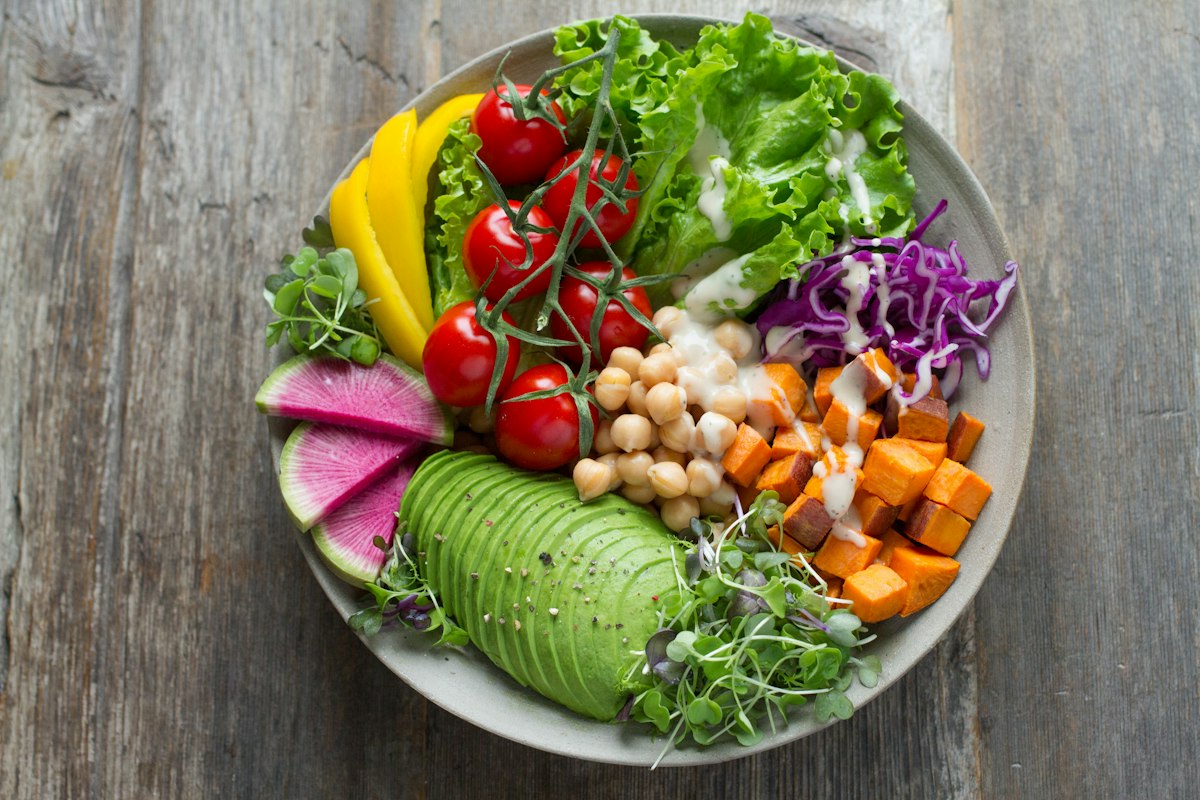
Carbs have been blamed for weight gain for decades. Rice, bread, pasta, potatoes, fruit, and even oats can start to feel like foods you need to avoid if you want to lose weight.
The straightforward answer is this: carbs do not automatically cause body-fat gain. Body fat increases when you regularly take in more energy than your body uses over time. Carbohydrates can be part of that energy intake, but they are not uniquely fattening.
That does not mean every carb choice affects appetite, fullness, blood sugar, food cravings, or calorie intake in the same way. A large serving of sugary drinks, pastries, chips, or refined snacks can be easy to overeat. A meal built around beans, vegetables, fruit, oats, or a reasonable serving of rice may be much more filling and easier to fit into a fat-loss plan.
The confusion often gets worse when the scale rises after a higher-carb meal. That increase may be real, but it is not automatically body fat. Your body stores carbohydrate as glycogen, and glycogen is stored with water. A temporary increase in scale weight after eating more carbs, more sodium, or simply more food volume is common.
This guide explains what carbs do in the body, what actually causes fat gain, why low-carb diets may work for some people, and how to keep carbohydrates in your diet while working toward weight loss.
Do Carbs Cause Weight Gain?
Carbs can contribute to weight gain when they help create a regular calorie surplus, but carbohydrates themselves do not bypass the basic principles of energy balance.
Your body uses energy all day to keep you alive, digest food, move, exercise, and recover. When your average energy intake is consistently higher than your average energy use, the extra energy can be stored, including as body fat.
That can happen with a diet high in carbs, fat, protein, or a combination of all three.
A carbohydrate-rich meal does not instantly become body fat. Your body can use carbohydrate for immediate energy, store some as glycogen in the muscles and liver, or use it in other metabolic processes. Fat gain is usually the result of a pattern: consistently eating more total energy than you need.
The practical issue is that some carbohydrate foods are easier to overconsume than others. Highly refined, low-fiber foods can be less filling for the calories they provide. Sweet drinks add calories with very little chewing or fullness. Large portions of rice, bread, noodles, desserts, and snack foods can also add up quickly when they are not balanced with protein, vegetables, and other filling foods.
Carbs, Calories, and Body Fat: The Difference That Matters
Carbohydrates are one of the three macronutrients that provide energy. Protein and carbohydrate provide about 4 calories per gram, while fat provides about 9 calories per gram.
Carbs are found in many foods, including:
- •Rice, bread, pasta, noodles, oats, and cereal
- •Potatoes, corn, and starchy vegetables
- •Beans, lentils, and chickpeas
- •Fruit, milk, and yogurt
- •Cookies, pastries, candy, sweetened drinks, and many snack foods
These foods are not nutritionally identical. A bowl of oatmeal with fruit provides fiber and nutrients. A large sugary drink and a pastry may provide a similar or larger amount of carbohydrate with less fullness.
| What changes? | What it can mean | Does it automatically mean fat gain? |
|---|---|---|
| Your weight rises the day after a higher-carb meal | More glycogen, water, sodium, food volume, or digestion-related changes | No. A one- or two-day shift is often temporary. |
| Your average weight trends upward for several weeks | Your average intake may be above your energy needs | Possibly. Look at longer trends, not one weigh-in. |
| You feel hungry soon after refined snacks or sweet drinks | The meal may be low in protein, fiber, or volume | No, but it may make a calorie surplus easier. |
| You lose weight when you cut carbs | You may be eating fewer calories, losing stored water, or both | Not necessarily. The result does not prove that carbs uniquely caused fat gain. |
A useful way to think about carbohydrates is this: they are a category of foods and nutrients, not a single outcome. The quantity you eat, the form they come in, the rest of the meal, and your overall eating pattern matter.
Why the Scale Can Go Up After Eating Carbs
Many people notice that the scale moves up after a high-carb meal, weekend, holiday, or restaurant meal. This can be frustrating, especially when you are trying to lose weight. But a short-term increase is not the same thing as gaining a meaningful amount of body fat.
Your muscles and liver store carbohydrate as glycogen. Glycogen is useful because it gives your body accessible fuel for daily activity and exercise. Glycogen is stored along with water, so when you eat more carbohydrate than usual, your stored glycogen and water may increase too.
Other reasons the scale can increase temporarily include:
- •A saltier-than-usual meal causing short-term fluid retention
- •More food still moving through your digestive system
- •Eating later in the evening than usual
- •Menstrual-cycle-related fluid changes
- •Hard training that causes temporary inflammation and fluid shifts
- •Constipation or a major change in fiber intake
This is why daily scale weight is not a perfect measure of body fat. A better approach is to look at your average weight over several weeks, along with waist measurements, how clothes fit, energy levels, and consistency with your habits.
If your weight rises after one high-carb meal and returns closer to normal after a few days of your usual routine, that is more consistent with water and food-weight changes than sudden fat gain.
Do Carbs Turn Into Fat?
The phrase “carbs turn into fat” is an oversimplification.
Your body can store excess energy, including energy from carbohydrates. But in day-to-day life, carbohydrate is commonly used for energy and to replenish glycogen stores. The more important question is whether your usual eating pattern provides more total energy than you use.
For example, someone can gain weight while eating low-carb if their portions of oils, cheese, nuts, butter, processed meats, desserts, or other high-calorie foods regularly exceed their needs. Someone else can lose weight while eating rice, fruit, oats, beans, and potatoes if their overall intake supports a sustainable calorie deficit.
The goal is not to make every meal as low-carb as possible. The goal is to create an eating pattern you can repeat while meeting your nutrition needs and feeling reasonably satisfied.
Are Low-Carb Diets Better for Weight Loss?
Low-carb diets can help some people lose weight. They may reduce food choices, simplify meal planning, lower intake of sugary foods, or make some people feel less hungry. A lower-carb approach can also cause a quick early drop on the scale because glycogen and associated water decrease.
But low-carb is not the only effective approach.
Research comparing different eating patterns generally shows that long-term success depends heavily on total calorie intake, food quality, protein intake, preferences, and how well someone can stick to the plan. A diet does not need to eliminate rice, bread, fruit, beans, or oats to support fat loss.
A lower-carb approach may be worth considering when:
- •You genuinely enjoy meals centered on protein, vegetables, and healthy fats
- •You find that reducing refined snacks makes appetite easier to manage
- •You have a medical reason to follow a specific carbohydrate plan from a qualified clinician
- •You can sustain the approach without feeling deprived or socially isolated
A balanced approach may be a better fit when:
- •You enjoy rice, fruit, oats, beans, potatoes, or other carb foods
- •You exercise regularly and feel better with carbohydrate around activity
- •Cutting carbs makes meals hard to sustain
- •You want more flexibility for family meals, culture, budget, and food preferences
The best eating pattern is usually the one that helps you make progress without requiring constant willpower or an all-or-nothing mindset.
Why Some Carb Foods Make Fat Loss Harder
Carbohydrates are not automatically a problem, but some carb-heavy foods can make it easier to eat more calories than intended.
Refined carbs may be easy to overeat
Foods such as pastries, cookies, candy, sweetened cereal, chips, and white bread products can be very appealing and convenient. They are not forbidden foods, but they may provide less fullness than meals built around protein, fiber, and minimally processed foods.
Liquid calories do not always feel filling
Sweetened coffee drinks, soda, milk tea, juice drinks, and sports drinks can add a large amount of energy without replacing a meal. If fat loss has stalled, beverages are often worth reviewing before cutting all carbohydrates.
Portions can quietly become large
Rice, pasta, noodles, granola, cereal, and bread can all fit into a balanced diet. The challenge is that portions are easy to estimate poorly, especially when the meal has little protein or vegetables beside it.
Carb meals may lack protein and fiber
A meal of rice or noodles alone may leave you hungry sooner than a meal with the same carbohydrate food plus protein, vegetables, and fiber. Adding structure is often more helpful than removing the carb completely.
The Best Carbs for Weight Loss Are Usually the Ones That Help You Feel Full
No single food guarantees weight loss. Still, carbohydrate foods that contain fiber, water, vitamins, minerals, and a satisfying amount of volume can make a calorie deficit easier to maintain.
Examples include:
- •Beans, lentils, chickpeas, and peas
- •Oats and minimally sweetened whole-grain cereals
- •Potatoes and sweet potatoes prepared without excessive added fat
- •Fruit, especially whole fruit rather than juice
- •Vegetables, including starchy vegetables
- •Brown rice, red rice, or other whole grains if you enjoy them
- •Plain yogurt or milk, depending on your needs and tolerance
White rice and white bread are not automatically unhealthy or incompatible with fat loss. They may simply be less filling for some people than higher-fiber options. Pairing them with protein, vegetables, and a reasonable serving size can make a major difference.
Can You Eat Rice and Still Lose Weight?
Yes. You can eat rice and still lose weight.
Rice is a carbohydrate source, not a guarantee of weight gain. What matters most is the portion, what you eat with it, how often you eat it, and whether your overall intake supports your goal.
Instead of removing rice entirely, build a more balanced plate:
| Plate component | Practical examples | Why it helps |
|---|---|---|
| Protein | Chicken, fish, eggs, tofu, beans, Greek yogurt, lean meat | Supports fullness and helps preserve muscle during weight loss. |
| Vegetables | Leafy greens, broccoli, cabbage, tomatoes, carrots, squash, mixed vegetables | Adds volume, fiber, and nutrients for relatively few calories. |
| Carbohydrate | Rice, potatoes, corn, oats, bread, noodles, fruit, beans | Provides energy and can make meals enjoyable and satisfying. |
| Flavor and fat | Oil, sauce, avocado, nuts, seeds, coconut-based dishes | Useful in reasonable amounts, but portions can add calories quickly. |
A simple lunch could be grilled fish or chicken, a serving of rice, and a generous portion of vegetables. If you are hungry soon afterward, try increasing the protein or vegetables first instead of assuming rice is the problem.
How Many Carbs Should You Eat to Lose Weight?
There is no single carbohydrate target that works for every adult.
Your ideal intake can depend on body size, activity level, medical history, cultural food preferences, exercise routine, hunger, and what you can maintain. Someone who walks occasionally may prefer a different amount than someone doing frequent endurance training or strength workouts.
Rather than starting with a strict carb number, begin with these practical habits:
- Include a protein source at most meals.
- Add vegetables, fruit, beans, or other fiber-rich foods regularly.
- Choose carbohydrate portions that leave you satisfied rather than overly full.
- Limit sugary drinks and frequent ultra-processed snack foods when they make it hard to manage intake.
- Track progress using weekly patterns, not daily scale reactions.
- Adjust one or two habits at a time instead of removing every carb food at once.
If you have diabetes, kidney disease, a history of disordered eating, are pregnant, or take glucose-lowering medication, talk with a registered dietitian or clinician before making major dietary changes.
Common Myths About Carbs and Weight Gain
Myth: Eating carbs at night causes fat gain
Reality: Your body can digest and use carbohydrates at night. Total intake and long-term consistency matter more than the clock alone. Some people prefer lighter dinners because it improves comfort or sleep, but nighttime carbs do not automatically become fat.
Myth: You need to cut carbs to lose belly fat
Reality: You cannot choose where fat loss happens by eliminating one nutrient. A sustainable calorie deficit, strength training, regular movement, sleep, and stress management all support overall fat loss. Where your body loses fat first is influenced partly by genetics.
Myth: Fruit has too much sugar for weight loss
Reality: Whole fruit contains water, fiber, vitamins, and minerals. For most people, fruit can be a nutritious part of a weight-loss diet. Juice and large portions of dried fruit are easier to consume quickly, but whole fruit is not the same as candy or soda.
Myth: Brown rice is always better than white rice
Reality: Brown rice generally provides more fiber, but white rice can still fit into a balanced diet. Choose the option you enjoy, can access, and can portion comfortably. The rest of the meal matters too.
Myth: A higher weight after carbs means you gained fat overnight
Reality: Glycogen, water, sodium, digestion, and food volume can change scale weight quickly. Focus on the overall trend before changing your plan.
A Practical Carb-Friendly Day for Fat Loss
This is not a prescription or a required meal plan. It is an example of how carbs can fit into a filling day.
Breakfast
Oats cooked with milk or water, topped with fruit and a protein source such as Greek yogurt, eggs, or a protein-rich yogurt alternative.
Lunch
Chicken, fish, tofu, or beans with rice, a large serving of vegetables, and a flavorful sauce or seasoning.
Snack
A piece of fruit with yogurt, a boiled egg, nuts in a measured portion, or roasted chickpeas.
Dinner
Vegetable-heavy soup, stir-fry, or grilled protein with potatoes, rice, beans, or another carb source based on hunger and activity.
The key is not perfection. It is making meals satisfying enough that you are less likely to swing between restriction and overeating.
When Cutting Back on Carbs Can Be Useful
Reducing some carbohydrate foods may help if your usual intake includes frequent sugary drinks, desserts, oversized refined-grain portions, or mindless snacking. The useful change is often not “eat no carbs.” It is “make the carbs you eat more intentional.”
For example, you might:
- •Replace daily sweet drinks with water, sparkling water, coffee, or unsweetened tea more often
- •Serve rice or noodles alongside more vegetables and protein
- •Keep high-fiber snacks available for busy days
- •Eat dessert deliberately rather than grazing on sweets throughout the day
- •Choose a meal structure you can repeat during stressful weeks
Small changes usually work better than trying to eliminate a major food group overnight.
FAQ
Do carbs make you gain belly fat?
Carbs do not specifically cause belly fat. Body fat distribution is influenced by genetics, hormones, age, lifestyle, and total body-fat levels. A sustained calorie surplus can lead to fat gain, regardless of whether the extra calories come mostly from carbs, fat, protein, or a mixture.
Why did I gain weight after eating carbs?
You may have stored more glycogen and water, eaten more sodium, or simply had more food volume in your digestive system. Look at your weight trend over days and weeks before concluding that you gained body fat.
Can I lose weight without cutting rice?
Yes. Rice can fit into a fat-loss plan when portions work for your needs and meals include adequate protein, vegetables, and fiber-rich foods.
Are low-carb diets better than calorie counting?
Neither approach is automatically better for everyone. Some people find lower-carb eating easier, while others prefer a balanced diet with portion awareness. The best method is one you can maintain while meeting your nutrition needs.
What carbs should I limit for weight loss?
You do not need to ban foods, but it can help to pay attention to sweet drinks, frequent desserts, heavily refined snack foods, and oversized portions that do not keep you full.
Conclusion
Carbs do not automatically cause weight gain, and you do not need to fear rice, fruit, oats, potatoes, beans, or bread to lose body fat.
What matters most is your overall eating pattern and whether it supports a sustainable calorie deficit over time. Carbohydrate quality, portions, protein, fiber, sleep, activity, and consistency all influence how easy that is to achieve.
If the scale rises after a higher-carb meal, pause before assuming you gained fat. Short-term changes in glycogen, water, sodium, and digestion are normal. Focus on longer trends, build satisfying meals, and choose a carb approach that you can realistically maintain.
For more practical guidance, read our upcoming articles on high-fiber carbs for fat loss, balanced plate building, and how to eat rice while working toward weight loss.
This article is for general education and is not medical advice. For individualized nutrition support, especially with a medical condition or medication use, consult a qualified healthcare professional.
Comments (0)
Share your thoughts and experiences
No comments yet. Be the first to share your thoughts!