
Creatine for Beginners: Evidence-Based Guide for Fat Loss and Performance
Learn how creatine works, whether it helps with fat loss, common myths, safety considerations, dosing recommendations, and how beginners can use creatine effectively while pursuing body composition goals.
Click a star to rate
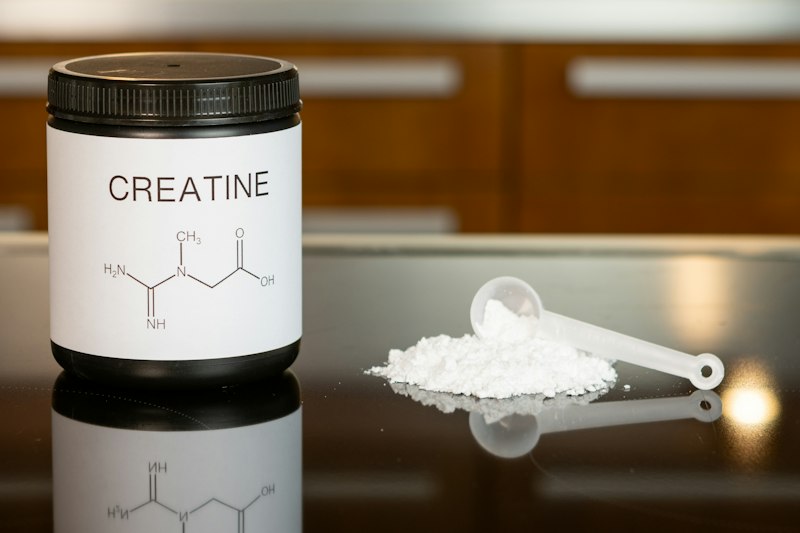
Creatine is one of the most researched sports nutrition supplements available, yet it remains one of the most misunderstood.
Many beginners worry that creatine causes fat gain, excessive bloating, or health problems. Others assume it is only useful for bodybuilders trying to build muscle.
The evidence tells a different story.
Creatine can help support strength, exercise performance, and muscle retention during weight-loss efforts. While it is not a fat-burning supplement, it may help people train harder and preserve lean mass while reducing body fat.
For beginners focused on fat loss, understanding how creatine works can help separate myths from facts and support more informed decisions.
What Is Creatine?
Creatine is a naturally occurring compound found primarily in muscle tissue.
The body produces creatine from amino acids, and it is also obtained from foods such as:
- •Beef
- •Pork
- •Fish
- •Poultry
Approximately 95% of the body's creatine is stored in skeletal muscle.
Its primary role is helping regenerate adenosine triphosphate (ATP), which serves as a major energy source during short bursts of high-intensity activity.
Examples include:
- •Weight training
- •Sprinting
- •Jumping
- •High-intensity interval training
Supplementation increases muscle creatine stores, allowing muscles to perform more work before fatigue occurs.
How Creatine Works
During intense exercise, ATP is rapidly depleted.
Creatine helps replenish ATP more quickly, supporting performance during repeated bouts of high-intensity effort.
This may contribute to:
- •Improved strength
- •Better power output
- •Enhanced training performance
- •Increased workout volume
- •Better recovery between intense efforts
Over time, improved training quality can contribute to better fitness outcomes.
Can Creatine Help With Fat Loss?
Creatine does not directly increase fat burning.
However, it may support several factors that influence body composition.
Supports Training Performance
People who perform better during workouts may be able to:
- •Lift heavier weights
- •Complete more repetitions
- •Maintain training intensity
Consistent high-quality training is one of the most important drivers of long-term body composition improvements.
Helps Preserve Muscle During Weight Loss
When calories are reduced, the body can lose both fat and muscle tissue.
Research suggests creatine may help support lean mass retention when combined with resistance training.
Preserving muscle is important because:
- •Muscle contributes to strength
- •Muscle supports physical function
- •Lean mass influences overall body composition
Supports Long-Term Consistency
Many people struggle with maintaining training performance during a calorie deficit.
Creatine may help reduce performance declines, making it easier to remain consistent with an exercise program.
Does Creatine Cause Fat Gain?
One of the most common myths is that creatine causes fat gain.
Current evidence does not support this claim.
Creatine does not contain significant calories and does not directly increase body fat.
Some people notice an increase in body weight after beginning supplementation.
This is often due to increased water stored within muscle tissue rather than increased body fat.
Understanding the difference between:
- •Fat gain
- •Water retention
- •Muscle gain
can help prevent unnecessary concern when monitoring progress.
Creatine and Water Weight
Water retention is often misunderstood.
Creatine draws water into muscle cells, which may increase muscle hydration.
This can lead to:
- •Slight increases in scale weight
- •Fuller muscle appearance
- •Improved training performance
For many active individuals, this is considered a normal physiological response rather than a negative effect.
Because of this, scale weight alone should not be the only measure of progress.
Additional metrics include:
- •Body measurements
- •Progress photos
- •Strength improvements
- •Clothing fit
- •Body composition assessments
Types of Creatine
Many forms of creatine are marketed to consumers.
Examples include:
- •Creatine monohydrate
- •Creatine hydrochloride
- •Buffered creatine
- •Creatine ethyl ester
Creatine Monohydrate
Creatine monohydrate remains the most studied and widely recommended form.
Benefits include:
- •Extensive research support
- •Proven effectiveness
- •Widely available
- •Cost-effective
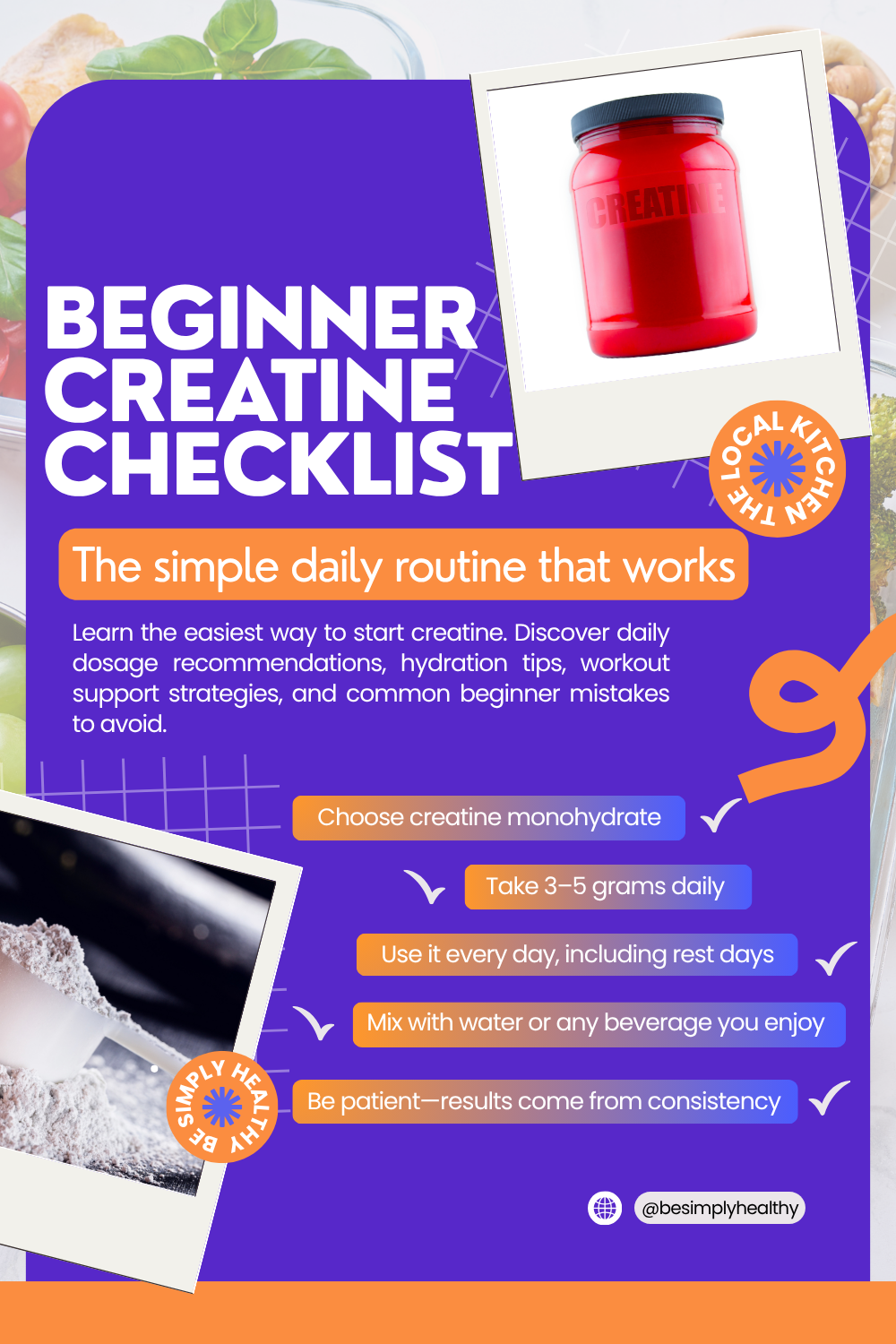
For most beginners, creatine monohydrate is the preferred option.
How Much Creatine Should Beginners Take?
A common recommendation is:
Daily Maintenance Dose
- •3 to 5 grams daily
Consistency matters more than timing for most people.
Optional Loading Phase
Some individuals choose a loading phase:
- •Approximately 20 grams daily
- •Divided into multiple servings
- •For 5 to 7 days
This approach can increase muscle creatine stores more quickly.
However, loading is optional.
Most beginners can simply take 3 to 5 grams daily and achieve similar long-term results.
💡 Recommended Product: Boosting your gym routine with this creatine! It's the secret weapon. It contains 5 grams per serving. This creatine is a game changer! Highly recommend.
View on Amazon →When Should You Take Creatine?
Research suggests that timing is less important than consistency.
Many people take creatine:
- •With breakfast
- •Before workouts
- •After workouts
- •With a meal
The best time is generally the time you will remember to take it consistently.
Is Creatine Safe?
Creatine is among the most extensively researched dietary supplements.
Research involving healthy adults generally supports its safety when used appropriately.
Major sports nutrition organizations have concluded that creatine monohydrate is safe for healthy individuals.
However, anyone with:
- •Kidney disease
- •Significant medical conditions
- •Prescription medication concerns
should consult a healthcare professional before beginning supplementation.
Common Creatine Myths
Myth 1: Creatine Is a Steroid
Reality:
Creatine is not a steroid.
It is a naturally occurring compound involved in energy production.
Myth 2: Creatine Causes Fat Gain
Reality:
Creatine does not directly increase body fat.
Weight changes are often related to muscle hydration.
Myth 3: Women Should Not Use Creatine
Reality:
Women can experience similar physiological benefits from creatine supplementation.
Myth 4: You Must Cycle Creatine
Reality:
Current evidence does not suggest routine cycling is necessary for most healthy adults.
Myth 5: Creatine Only Helps Bodybuilders
Reality:
Creatine may benefit recreational exercisers, athletes, and individuals performing resistance training.
Who May Benefit From Creatine?
Creatine may be useful for:
- •Beginners starting strength training
- •Adults pursuing fat loss
- •Individuals seeking improved workout performance
- •Recreational athletes
- •Older adults participating in resistance training
Results vary among individuals, and supplementation should complement—not replace—healthy lifestyle habits.
How to Use Creatine Successfully
Choose Creatine Monohydrate
Select a reputable product containing creatine monohydrate.
Be Consistent
Take creatine daily rather than only on workout days.
Prioritize Strength Training
Creatine works best when combined with a structured resistance-training program.
Eat Enough Protein
Adequate protein supports muscle maintenance and recovery.
Stay Hydrated
Maintaining hydration supports overall exercise performance and health.
Common Beginner Mistakes
Expecting Immediate Results
Creatine is not an overnight transformation supplement.
Benefits accumulate over time.
Ignoring Training Quality
Supplements cannot replace consistent exercise.
Focusing Only on Scale Weight
Body composition changes often provide more useful information than weight alone.
Buying Expensive Alternatives
Many premium products offer little evidence of superiority compared with creatine monohydrate.
Sample Beginner Routine
Morning
Take 3 to 5 grams of creatine with breakfast.
Workout
Complete a structured resistance-training session.
Nutrition
Prioritize:
- •Lean protein
- •Fruits
- •Vegetables
- •Whole grains
- •Healthy fats
Recovery
Focus on:
- •Adequate sleep
- •Hydration
- •Consistency
FAQ
Is creatine good for beginners?
Yes. Creatine is one of the most researched supplements and can be a practical option for beginners participating in resistance training.
Can creatine help me lose weight?
Creatine does not directly cause weight loss. However, it may help support training performance and muscle retention during fat-loss efforts.
Will creatine make me gain fat?
Current evidence does not support the idea that creatine directly increases body fat.
Do I need a loading phase?
No. Loading is optional. Most beginners can take 3 to 5 grams daily.
What is the best type of creatine?
Creatine monohydrate remains the most studied and evidence-supported form.
Conclusion
Creatine is one of the most effective and well-researched sports nutrition supplements available.
While it is not a fat-burning supplement, it may support workout performance, strength, and muscle retention during fat-loss efforts.
For most beginners, a simple approach works best:
- •Choose creatine monohydrate
- •Take 3 to 5 grams daily
- •Strength train consistently
- •Prioritize nutrition and recovery
Long-term results come from sustainable habits. Creatine can be a useful tool, but it works best as part of a comprehensive fitness and nutrition strategy.
For more evidence-based guidance on fat loss, muscle retention, nutrition, and beginner fitness strategies, explore our complete health and wellness resource library.
Comments (0)
Share your thoughts and experiences
No comments yet. Be the first to share your thoughts!