
Best Recovery Tools: What Works and What Doesn’t (Evidence-Based Guide)
Learn which recovery tools are supported by evidence and which may be overhyped. Discover how sleep, nutrition, hydration, foam rolling, massage guns, cold plunges, and other recovery methods affect muscle recovery, soreness, and long-term fitness results.
Click a star to rate
Recovery has become a multi-billion-dollar industry.
From massage guns and compression boots to cold plunges and recovery sleeves, there is no shortage of products promising faster muscle recovery, less soreness, and better performance.
Some recovery tools can be useful. Others have limited evidence behind their claims. The challenge is understanding which methods deserve your time, attention, and money.
For most beginners focused on fat loss and overall health, the most effective recovery strategies are often the least expensive.
This guide examines what current evidence suggests about popular recovery tools and explains how to build a recovery plan that supports long-term results.
What Is Recovery?
Recovery is the process by which the body adapts to exercise and repairs tissues stressed during training.
Recovery influences:
- •Exercise performance
- •Energy levels
- •Training consistency
- •Muscle soreness
- •Long-term fitness progress
Contrary to popular belief, recovery is not something that happens only after a workout.
Recovery is influenced by daily habits including:
- •Sleep
- •Nutrition
- •Hydration
- •Stress management
- •Physical activity
Recovery tools can support this process, but they cannot replace these fundamentals.
The Recovery Hierarchy
Before discussing gadgets and recovery products, it helps to understand the recovery hierarchy.
For most adults, recovery priorities should look like this:
1. Sleep
Sleep remains the most important recovery tool available.
Benefits include:
- •Supports muscle repair
- •Supports exercise performance
- •Helps regulate appetite
- •Supports energy levels
- •Supports overall health
No recovery gadget can fully compensate for poor sleep habits.
2. Nutrition
Nutrition provides the building blocks needed for recovery.
Key priorities include:
- •Adequate protein intake
- •Balanced meals
- •Sufficient calorie intake
- •Micronutrient-rich foods
3. Hydration
Hydration supports:
- •Exercise performance
- •Physical function
- •Recovery processes
- •Overall well-being
Even mild dehydration may negatively affect performance.
4. Consistent Training
Recovery is closely linked to training load.
Progressive and sustainable training programs often improve recovery outcomes more than constantly changing workouts.
5. Active Recovery
Light movement between hard training sessions may help many people feel less stiff and maintain activity levels.
Examples:
- •Walking
- •Cycling
- •Mobility work
- •Gentle swimming
Best Recovery Tools: What Works?
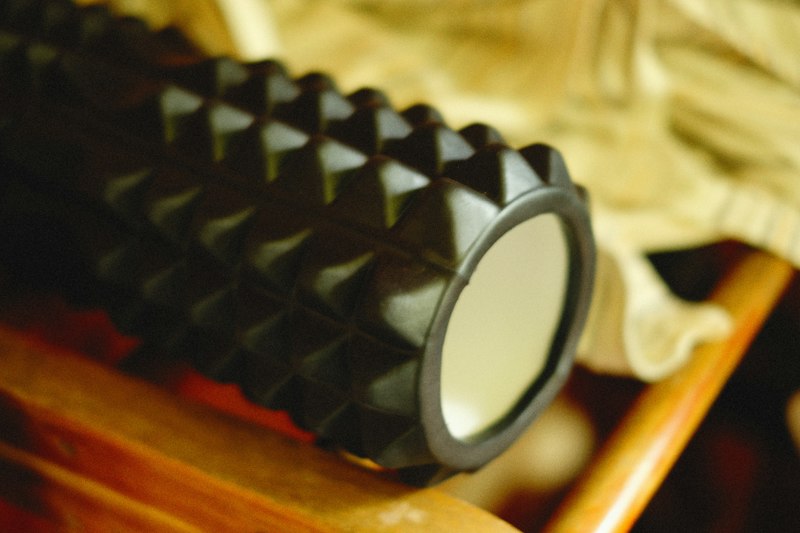
1. Foam Rollers
Evidence Level: Moderate
Foam rolling is one of the most practical and affordable recovery tools available.
Potential benefits include:
- •Reduced perception of soreness
- •Temporary improvements in mobility
- •Easy integration into workout routines
Foam rolling does not eliminate soreness entirely, but many people find it useful before or after exercise.
Pros:
- •Affordable
- •Easy to use
- •Portable
Cons:
- •Benefits are generally temporary
- •Does not replace recovery fundamentals
2. Massage Guns
Evidence Level: Moderate
Massage guns have become increasingly popular.
Current evidence suggests they may:
- •Improve short-term flexibility
- •Reduce perceived soreness
- •Improve comfort after exercise
However, many marketing claims exceed available evidence.
Massage guns may help you feel better, but they are not miracle recovery devices.
Pros:
- •Convenient
- •Easy to use
- •May improve comfort
Cons:
- •Can be expensive
- •Benefits may be short-term
3. Cold Water Immersion (Cold Plunges)
Evidence Level: Moderate
Cold plunges have gained significant popularity online.
Potential benefits:
- •Reduced soreness after intense exercise
- •Improved recovery between demanding training sessions
However, context matters.
Some research suggests frequent cold exposure immediately after strength training may reduce certain muscle-building adaptations.
Cold plunges may be useful for athletes with frequent competitions or demanding training schedules, but they are not essential for most beginners.
Pros:
- •May reduce soreness
- •Popular among athletes
Cons:
- •Uncomfortable
- •Not necessary for most people
- •May not be ideal after every strength workout
4. Compression Boots
Evidence Level: Mixed
Compression boots are widely marketed to athletes and fitness enthusiasts.
Some users report:
- •Reduced fatigue
- •Improved comfort
- •Better perceived recovery
Research findings remain mixed.
Many beginners may see greater benefits by investing in sleep quality, nutrition, and training consistency before purchasing compression devices.
Pros:
- •Comfortable
- •Easy to use
Cons:
- •Expensive
- •Limited evidence compared with fundamentals
5. Sports Massage
Evidence Level: Moderate
Sports massage may provide:
- •Temporary reductions in soreness
- •Improved relaxation
- •Increased feelings of recovery
Benefits often relate more to comfort and well-being than dramatic physiological changes.
Pros:
- •Relaxing
- •May reduce soreness perception
Cons:
- •Cost can add up
- •Benefits are often temporary
Recovery Methods That Cost Nothing
Many effective recovery strategies require little or no money.
Prioritize Sleep
Consistent sleep schedules often produce greater recovery benefits than expensive gadgets.
Helpful strategies:
- •Maintain a regular bedtime
- •Limit screens before bed
- •Keep bedrooms cool and dark
Walk More
Walking supports:
- •Circulation
- •Activity levels
- •General health
It can be an effective active recovery tool.
Improve Nutrition
Focus on:
- •Protein-rich foods
- •Fruits
- •Vegetables
- •Whole grains
- •Adequate hydration
Manage Stress
High stress levels may affect recovery.
Helpful approaches include:
- •Relaxation techniques
- •Mindfulness practices
- •Time outdoors
- •Social support
Recovery Myths
Myth 1: More Expensive Means More Effective
Reality:
Price and effectiveness are not always related.
Many low-cost habits outperform expensive recovery products.
Myth 2: Soreness Means a Better Workout
Reality:
Soreness is not a reliable indicator of workout quality.
Progress should be measured by consistency and performance over time.
Myth 3: Recovery Tools Build Muscle
Reality:
Recovery tools support comfort and recovery.
They do not directly build muscle.
Myth 4: Everyone Needs Cold Plunges
Reality:
Cold water immersion can be useful in certain situations but is not required for health, fat loss, or general fitness.
Sample Recovery Routine
Morning
- •Hydrate
- •Eat a protein-rich breakfast
- •Light movement
Afternoon
- •Balanced meals
- •Regular hydration
- •Walking breaks
Evening
- •Workout
- •Protein-containing meal
- •Foam rolling if desired
Night
- •Consistent bedtime
- •Screen reduction
- •Adequate sleep
FAQ
What is the best recovery tool?
Sleep remains the most evidence-supported recovery tool for most adults.
Do massage guns actually work?
Massage guns may reduce perceived soreness and improve flexibility, but they are not miracle devices.
Are cold plunges worth it?
Cold plunges may help reduce soreness after intense exercise, but they are not necessary for most beginners.
Do compression boots improve recovery?
Research is mixed. Some users report benefits, but fundamentals should be prioritized first.
Can recovery tools help with fat loss?
Recovery tools do not directly cause fat loss. However, effective recovery may help support consistent exercise habits.
Conclusion
Recovery is about supporting the body's ability to adapt to exercise.
The most effective recovery strategies remain:
- •Sleep
- •Nutrition
- •Hydration
- •Consistent training
- •Active recovery
Tools such as foam rollers, massage guns, cold plunges, sports massage, and compression boots may provide additional benefits in certain situations.
However, they should be viewed as supplements to recovery fundamentals rather than replacements.
For most beginners focused on fat loss and overall health, mastering the basics will deliver far greater results than chasing the latest recovery trend.
Comments (0)
Share your thoughts and experiences
No comments yet. Be the first to share your thoughts!