
Best High-Fiber Foods for Weight Management: Evidence-Based Guide
Discover the best high-fiber foods for weight management, appetite control, and overall health. Learn how fiber supports fullness, digestive health, and sustainable healthy eating with evidence-based recommendations.
Click a star to rate
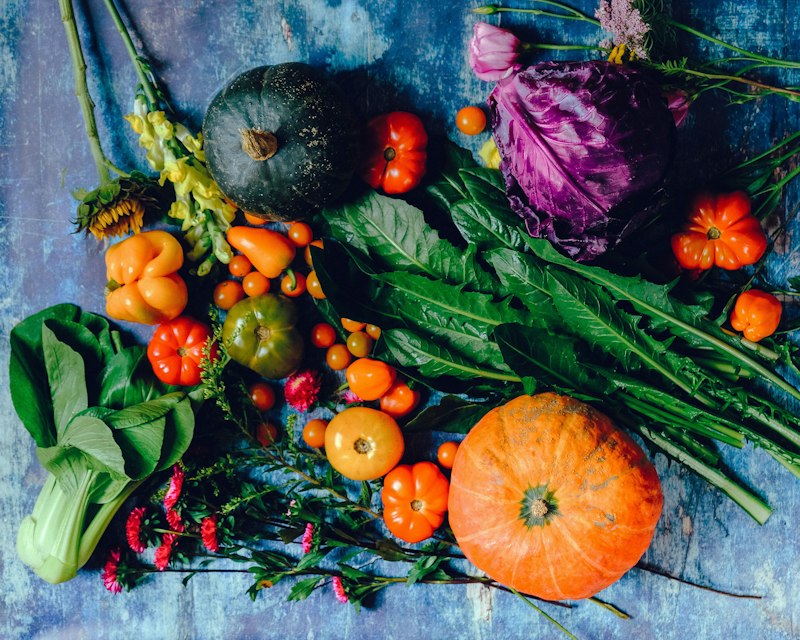
Fiber is one of the most overlooked nutrients in modern diets, yet it plays a major role in appetite control, digestive health, blood sugar management, and long-term weight management.
Most adults consume significantly less fiber than recommended. Increasing fiber intake is one of the simplest evidence-based nutrition strategies that can help people feel fuller, improve diet quality, and support healthy body weight over time.
Unlike restrictive diets, focusing on fiber encourages adding nutritious foods rather than eliminating entire food groups.
What Is Fiber?
Dietary fiber is a type of carbohydrate that the body cannot fully digest.
Unlike sugars and starches, fiber passes through the digestive system relatively intact, providing several health benefits.
There are two primary types:
Soluble Fiber
Soluble fiber dissolves in water and forms a gel-like substance.
Benefits include:
- •Increased fullness
- •Improved blood sugar control
- •Lower LDL cholesterol
- •Support for beneficial gut bacteria
Common sources:
- •Oats
- •Barley
- •Beans
- •Lentils
- •Apples
- •Pears
- •Psyllium
Insoluble Fiber
Insoluble fiber adds bulk to stool and supports digestive regularity.
Common sources:
- •Whole grains
- •Nuts
- •Seeds
- •Vegetables
- •Wheat bran
Most high-fiber foods contain a combination of both.
Why Fiber Supports Weight Management
Fiber influences several factors that affect eating behavior and appetite.
Increased Fullness
Fiber slows digestion and increases meal volume, helping meals feel more satisfying.
Many high-fiber foods require more chewing and take longer to eat, which may contribute to better appetite awareness.
Improved Diet Quality
Foods naturally rich in fiber often contain vitamins, minerals, antioxidants, and beneficial plant compounds.
Examples include:
- •Fruits
- •Vegetables
- •Legumes
- •Whole grains
- •Nuts
- •Seeds
Blood Sugar Support
Fiber can slow carbohydrate absorption, helping reduce large spikes and drops in blood sugar after meals.
Stable blood sugar levels may help reduce hunger and cravings throughout the day.
Gut Health Benefits
Certain fibers act as prebiotics, feeding beneficial bacteria in the gut.
These bacteria produce short-chain fatty acids that may support digestive health and overall metabolic function.
Best High-Fiber Foods for Weight Management
1. Lentils
Fiber: Approximately 15 grams per cooked cup
Benefits:
- •High in fiber
- •Rich in plant protein
- •Versatile and affordable
- •Supports fullness
Ideas:
- •Soups
- •Salads
- •Grain bowls
2. Black Beans
Fiber: Approximately 15 grams per cooked cup
Benefits:
- •Excellent fiber source
- •Contains protein
- •Budget-friendly
- •Supports healthy eating patterns
Ideas:
- •Burrito bowls
- •Salads
- •Chili
3. Chickpeas
Fiber: Approximately 12 grams per cooked cup
Benefits:
- •High fiber
- •High protein
- •Versatile ingredient
Ideas:
- •Roasted snacks
- •Hummus
- •Salads
4. Oats
Fiber: Approximately 4 grams per cooked cup
Benefits:
- •Contains beta-glucan soluble fiber
- •Supports fullness
- •Convenient breakfast option
Ideas:
- •Oatmeal
- •Overnight oats
- •Smoothies
5. Chia Seeds
Fiber: Approximately 10 grams per ounce
Benefits:
- •Extremely fiber dense
- •Easy to add to meals
- •Supports satiety
Ideas:
- •Yogurt
- •Oatmeal
- •Smoothies
6. Flaxseeds
Fiber: Approximately 8 grams per ounce
Benefits:
- •Rich in fiber
- •Contains plant omega-3 fats
- •Easy addition to meals
Ideas:
- •Smoothies
- •Oatmeal
- •Baking
7. Raspberries
Fiber: Approximately 8 grams per cup
Benefits:
- •High fiber fruit
- •Lower in calories than many snacks
- •Rich in antioxidants
Ideas:
- •Breakfast bowls
- •Snacks
- •Smoothies
8. Pears
Fiber: Approximately 6 grams per medium fruit
Benefits:
- •Portable snack
- •Naturally sweet
- •Supports fullness
9. Apples
Fiber: Approximately 4-5 grams per medium apple
Benefits:
- •Convenient
- •Widely available
- •Easy snack option
Tip:
Eat the skin for maximum fiber.
10. Broccoli
Fiber: Approximately 5 grams per cooked cup
Benefits:
- •Nutrient dense
- •Filling
- •Supports overall health
How Much Fiber Do Adults Need?
General recommendations:
- •Women: About 25 grams daily
- •Men: About 31-38 grams daily depending on age
Unfortunately, many adults consume far less than these recommendations.
Increasing intake gradually is often the most comfortable approach.
How to Increase Fiber Without Bloating
Some people experience digestive discomfort when increasing fiber too quickly.
Helpful strategies:
Increase Gradually
Add fiber-rich foods slowly over several weeks.
Drink More Water
Fiber absorbs water, making hydration important.
Diversify Sources
Include:
- •Fruits
- •Vegetables
- •Legumes
- •Whole grains
- •Seeds
Stay Physically Active
Regular movement supports digestive health.
Common Fiber Myths
Myth 1: Fiber Is Only for Digestion
Reality:
Fiber supports fullness, heart health, blood sugar management, and gut health.
Myth 2: Fiber Supplements Are Better Than Food
Reality:
Whole foods provide vitamins, minerals, antioxidants, and other beneficial nutrients in addition to fiber.
Myth 3: All Fiber Works the Same Way
Reality:
Different fibers have different effects on digestion, fullness, cholesterol, and gut bacteria.
Sample High-Fiber Day
Breakfast
Oatmeal with chia seeds and berries
Lunch
Lentil salad with vegetables
Snack
Pear and almonds
Dinner
Black beans, brown rice, broccoli, and grilled protein
This simple approach can help many adults reach recommended fiber targets.
FAQ
What foods have the most fiber?
Legumes such as lentils, black beans, and chickpeas are among the highest-fiber foods available.
Can fiber help with weight loss?
Fiber supports fullness and healthy eating habits, which may help support long-term weight management efforts.
How much fiber should I eat daily?
Women generally need about 25 grams daily, while men typically need 31-38 grams depending on age.
Are fiber supplements necessary?
Most people can improve fiber intake through food. Supplements may be useful in some situations but should not replace a balanced diet.
How quickly should I increase fiber?
Increase fiber gradually while maintaining adequate hydration to reduce digestive discomfort.
Conclusion
Fiber is one of the most valuable nutrients for overall health and sustainable weight management.
Foods such as lentils, beans, chickpeas, oats, chia seeds, berries, pears, apples, and vegetables provide fiber along with many other beneficial nutrients.
Rather than focusing on restrictive diets, building meals around fiber-rich foods can help create a more satisfying, nutritious, and sustainable eating pattern over the long term.
Comments (0)
Share your thoughts and experiences
No comments yet. Be the first to share your thoughts!